| Type | Year | Factory | Designer | Name | Lens Unit | RMKS | ||||||||||||||||||||||||||||||||||||||||||||||||||||||||||||
| Beginning 極初期 |
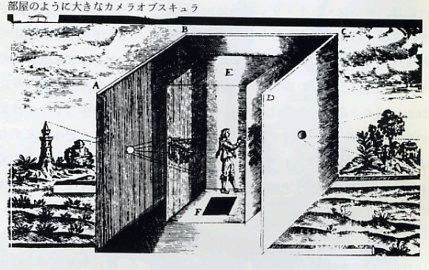
1558 | N.A. | Giambattista della Prota(1538-1615) G.B.ポルタ |
Camera Obscuraカメラ・オブスキュラ |
|
|
||||||||||||||||||||||||||||||||||||||||||||||||||||||||||||
| Beginning 極初期 |
1674 | N.A. | George Ravenscroft (1633-1683) ジョージ・レイベンクロフト |
Invention of flint glass(lead glass) フリントガラス(鉛ガラス)の発明 |
N.A. | He invented "flint" glass(lead glass) which has high
refractive index and high dispersion. 従来のソーダガラス(クラウンガラス)に比べ、より「高屈折率・高分散」のフリントガラス(鉛ガラス)を発明した。 |
||||||||||||||||||||||||||||||||||||||||||||||||||||||||||||
| Beginning 極初期 |
1717 | N.A. | Johann Heinrich Schulze (1687-1744) ヨハン・ハインリッヒ・シュルツェ |
Discovery of photosensitivity of silver chloride 塩化銀(硝酸銀)の感光性を発見 |
N.A. | He discovered photosensitivity through finding silver chloride and silver
nitrate change dark in the presence of light. シュルツェは塩化銀(硝酸銀)が光に当てていると黒く変色することから、その感光性を発見した。 |
||||||||||||||||||||||||||||||||||||||||||||||||||||||||||||
| Beginning 極初期 |
1729 | N.A. | C.M.Hall(1703-1771) C.M.ホール |
Reduction of chiromatic aberration 色収差の除去 |
N.A. | He found that positioning a concave lens behind a convex
lens eliminate its chromatic aberration. 凸レンズの後に凹レンズを配することによって、色収差が減少することを発見した。 |
||||||||||||||||||||||||||||||||||||||||||||||||||||||||||||
| Beginning 極初期 |
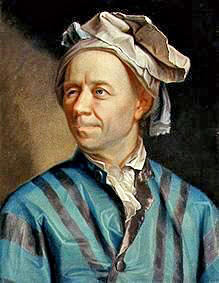
1747 | N.A. | Leonhard Euler(April 15, 1707-September 7, 1783) レオンハルト・オイラー |
Reduction of chiromatic aberration 色収差の除去 |
N.A. |
|
He proved the reduction of chromatic aberration by a lens combined with
glass and water. ガラスと水を組み合わせたレンズを使って、色収差の除去を実証した。 |
|||||||||||||||||||||||||||||||||||||||||||||||||||||||||||
| Beginning 極初期 |
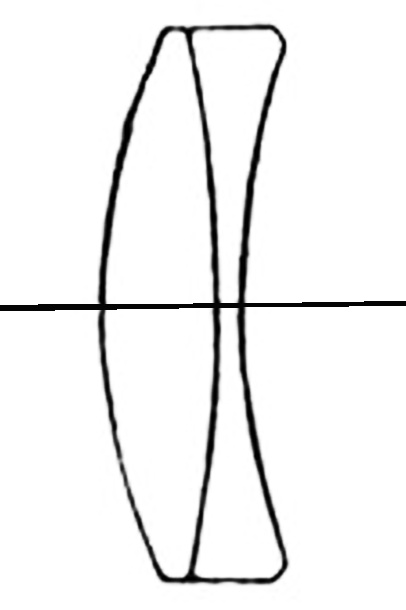
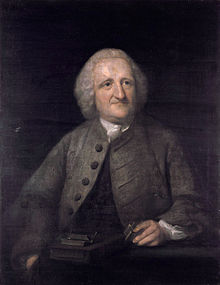
1758 | N.A. | John Dollond (1706-1761) ジョン.ドロンド |
Invention of achromatic lens 色収差補正レンズの発明 |
|
|
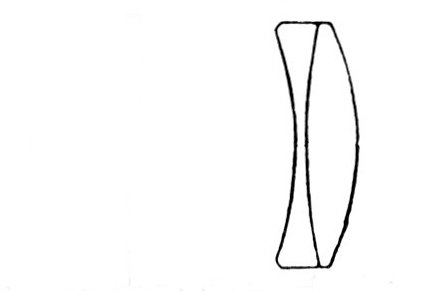
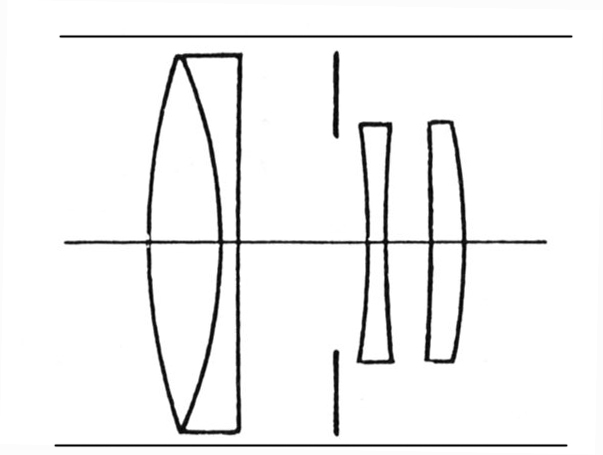
In 1758, Dollond starts production of achromatic lens by bonding crown
convex lens and flint concave lens after huge calculation and trial. But
because of low homogeneity of glass itself, the performance of that lens
is limited. 1758年、ドロンドは膨大な計算と試作の果てに、クラウン凸レンズとフリント凹レンズを貼りあわせて色収差を補正した「色消しレンズ」の生産にこぎつけた。しかし、当時はガラスの均質性に問題があったため、その性能は限られていた。 |
|||||||||||||||||||||||||||||||||||||||||||||||||||||||||||
| Beginning 極初期 |
1799 | N.A. | Pierre Louis .Guinand (1748-1824) P.L.ギナン |
New way of glass production 新しい光学ガラス製造法の発明 |
|
Among raw materials to produce optical glass, PbO is so heavy to sink during
dissolution which leads the quality of the glass block un-homogeneous and
this increase difficlty to produce larger and
high quality lens. Guinand invented to use burned clay for both crucible and stirrer and established the method to continue to stir all the way during cooling. ガラスを溶解中に撹拌することを考案し、良質で均質な製造が可能となった。 無水ケイ酸(珪砂)、炭酸カリウム、酸化鉛(PbO)などのガラス材料の中で、PbOは非常に重く、冷却中に沈み込んでガラスの均質性を悪化させ、良質でより大きなレンズの製造を困難にさせていた。ギナンはるつぼ、並びに撹拌棒に素焼き粘土を使用し、冷却中連続して撹拌するという新たな製造法を発明した。 ①先の窄まった円筒形で約1m高の素焼るつぼを窯で白熱するまで熱する。 ②材料を沸騰させないように注意しながらるつぼに入れる。 ③窯を閉じて、1600-1800℃まで加熱する。 ④その状態を20-30時間保つ。 ⑤途中でサンプルを取り出して試験し、問題なければ上澄みの不純物を取り除き、撹拌を行う。 ⑥鉄棒に取り付けた素焼の撹拌棒を熱した上で、溶けたガラスの中に入れ、5分交代のチーム制で撹拌する。 ⑦初めの1時間の撹拌で泡が見られたら、再度溶かし直す。 ⑧撹拌は徐々に温度を下げながら約15時間行う。 ⑨次第に粘度が増し、混ざりにくくなる。 ⑩窯の火が消され、6時間で急速に冷却される。金属で叩いて硬い音になったら、窯を閉め、空気に触れさせずに数日~数か月かけて冷やされる。 ⑪るつぼが壊され、目視で不純物があれば割って取り除く。 ⑫800-900℃に再び熱せられ、型に入れて再加熱後、ゆっくりと冷やされる。 |
||||||||||||||||||||||||||||||||||||||||||||||||||||||||||||
| Very early stage 最初期 |
1812 | N.A. | WILLIAM HYDE WOLLASTON (1766-1828) W.H.ウォラストン , |
meniscus lens メニスカス・レンズ |
|
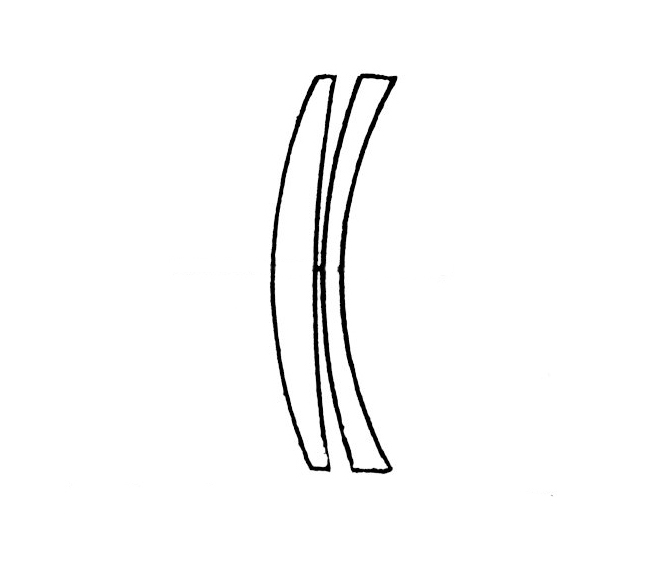
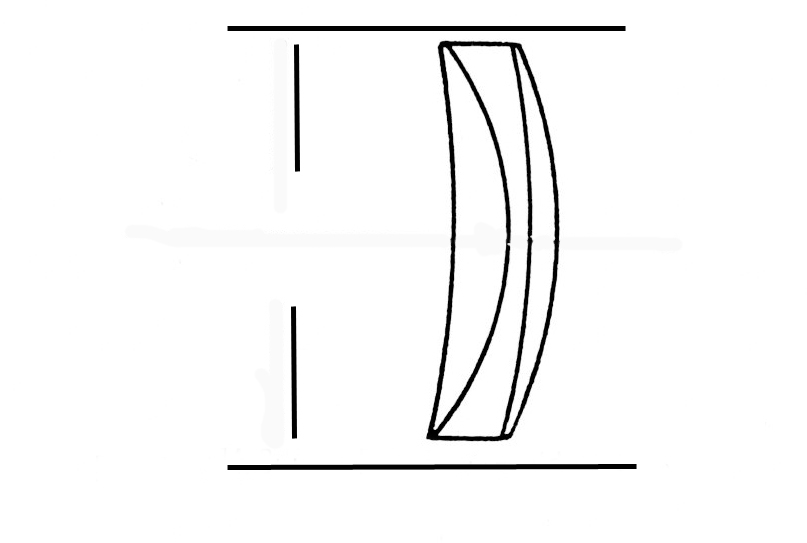
He invented meniscus type lens for improving aberration of glasses in 1804.
In 1812, he deducted aberration by changing the lens of camera obscura
from convex lens to convex meniscus lens by facing its concave surface
to the object and placing aperture diaphragm in front of the lens. He named
this lens as "Periscope".However, because it is not a symmetrical
lens but locating aperture diaphragm in front of glass elements, it shows
strong barrel distortion and because the lens consists of only single convex
lens, its image plane leans to forward which restrict its angle of view.It
is not achromatic as single lens, and remains spherical aberration. However
at closed apperure, it shows better image expression as curvature of image
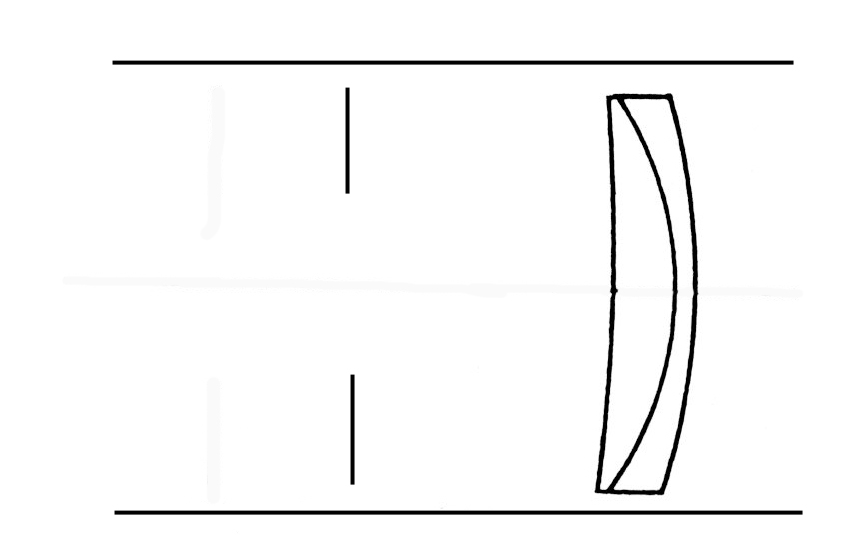
plane, Astigmatism and Coma aberration is well controlled. 1804年には眼鏡の収差の改善で初めてメニスカスレンズを考案、1812年にはカメラオブスキュラのレンズを凸メニスカスとし、凹面を光源に向けて、絞りを前方に配置する形で収差を軽減させた。(焦点距離560mm、レンズ径102mm) 彼は、このレンズを「ペリスコープ」と名付けた。 ただし、対称型でなく絞りを前に置く形なので、たる型の歪曲が強く、凸単レンズであるため像面も周辺ほどレンズ側に傾くため画角は制約される。色消しもされておらず、球面収差も残存しているが、絞り込めば像面・非点・コマ収差が抑えられ、それなりの画像になった。 |
||||||||||||||||||||||||||||||||||||||||||||||||||||||||||||
| Very early stage 最初期 |
1810頃? | N.A. | Joseph von Fraunhofer (1787-1826) ヨゼフ・フォン・フラウンホーファー |
Objective lens 貼り合わせ対物レンズ |
|
1787年にバイエルンのシュトラウビング市のガラス職人の家に生まれる。家庭は中流で市の中心部に5階建ての家を保有しており、その家は現在も残っている。 木材旋盤工から丁稚奉公をを始めるが、体力がなかったため、間もなく父親と同じガラス工に転じた。ガラス工房の親方は非常に厳しく、日曜学校や読書も禁じられていたらしい。 1801年に工房の建物が2棟倒壊し、親方の妻が死亡、ヨゼフは4時間後に発見されたが、ほぼ無傷であった。この事故を通じて近所に住んでいた、ヨゼフ・マキシミリアン(のちのマキシミリアン1世)と、ヨゼフ・ウッツシュナイダー(バイエルン知事のちに起業家)と知り合うこととなり、彼の人生は変化を遂げた。親方は学校や読書を認め、マキシミリアンは資金的に、ウッツシュナイダーは本や政治の話をしてくれるようになった。 1802年にウッツシュナイダーが工房を設立し、そこでヨゼフはガラス関係の業務に就いた。 1807年にウッツシュナイダーはすべての業務をベネディクトボイエルンに移転し、そこにガラス融解工房を設立した。そこでヨゼフはP.L.ギナンと出会う。数年前に脈のないガラスを発明していたギナンは、ウッツシュナイダーに年500ギルダーという高給でベネディクトボイエルンに移ってきていた。 1809年、ウッツシュナイダーの指示により、ヨゼフはギナンの全技術を受け継ぎ、その事業の全責任を任されることになる。工房では、望遠鏡の他に、顕微鏡、オペラグラス、ルーペを製造していた。 この頃貼り合わせの望遠鏡対物レンズを製造したと思われる。この凸レンズが前方にあるフラウンホーファー型の方が、凹レンズが前方のシュタインハイル型よりも貼り合せの曲率が緩く、製造が容易であったので、対物レンズの主流となった。望遠鏡の長焦点では画角も狭いため、周辺画質を左右するペッツバール和よりも球面収差補正に重点が置かれている。 また、ヨゼフはいち早くEDガラス(特殊低分散ガラス)を試作するが、腐食に弱く失敗、蛍石レンズに先を越される。 1813年、ヨゼフは太陽光の中にフラウンホーファー線を発見。 1814年、ギナンがスイスに帰国。ガラス融解とレンズ設計のすべてはヨゼフに任された。同時にウッツシュナイダーはヨゼフを共同経営者にし、ヨゼフの年収は1,500ギルダーに増加した。 1821年 回析格子を開発。 1824年にナイト(騎士)となり、貴族の一員となった。1826年に39歳で死去。 |
||||||||||||||||||||||||||||||||||||||||||||||||||||||||||||
| Very early stage 最初期 |
1817 | N.A. | Johann.Carl.Friedrich.Gauss(1777-1855) C.F.ガウス |
New design for Telescope 望遠鏡用新レンズ |
|
He designed a complete different type of the objective lens of telescope
from the mainstreamed ‘Fraunhofer type(compound lens of convex and concave
lens)’ which have been invented by von Fraunhofer, Joseph. The performance
of this design is better with flatter image plane, less color difference,
however, because it was more difficult to manufacture with steeper curvature,
this objective lens of Gauss have never been merchandised and practically
used. |
||||||||||||||||||||||||||||||||||||||||||||||||||||||||||||
| Early type 初期 |
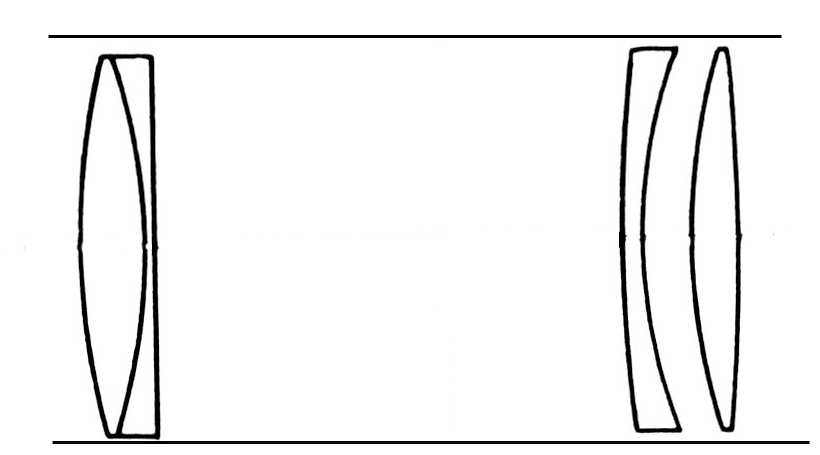
1839 | N.A. | Charles Chevalier シュバリエ |
Achromatic lens 色消しレンズ |
|
|
||||||||||||||||||||||||||||||||||||||||||||||||||||||||||||
| Petaval type ペッツバール型 |
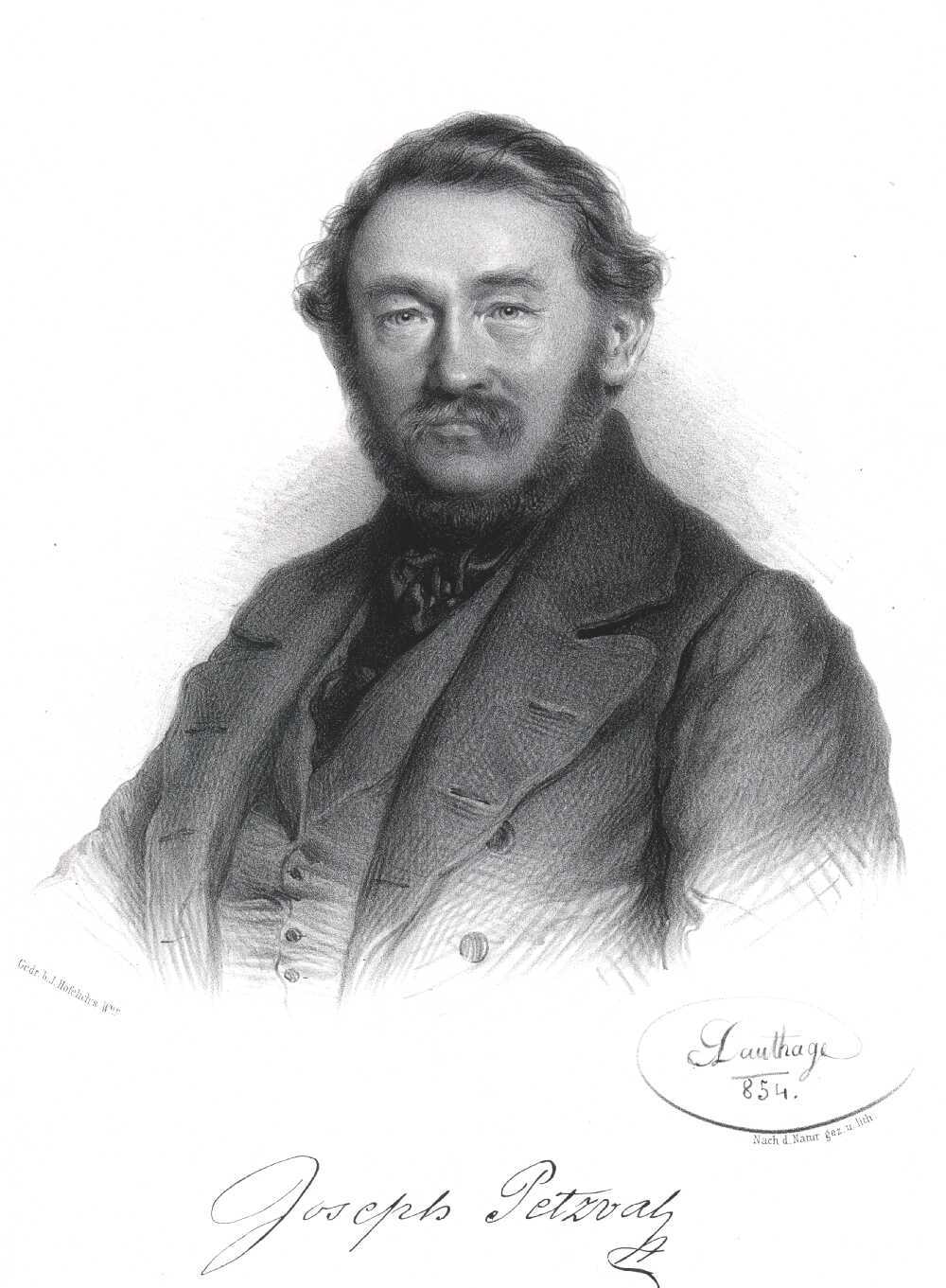
1840 | N.A. | Joseph Petzval ペッツバール |
portrait objective lens人物用レンズ |
|
|
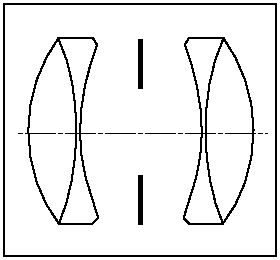
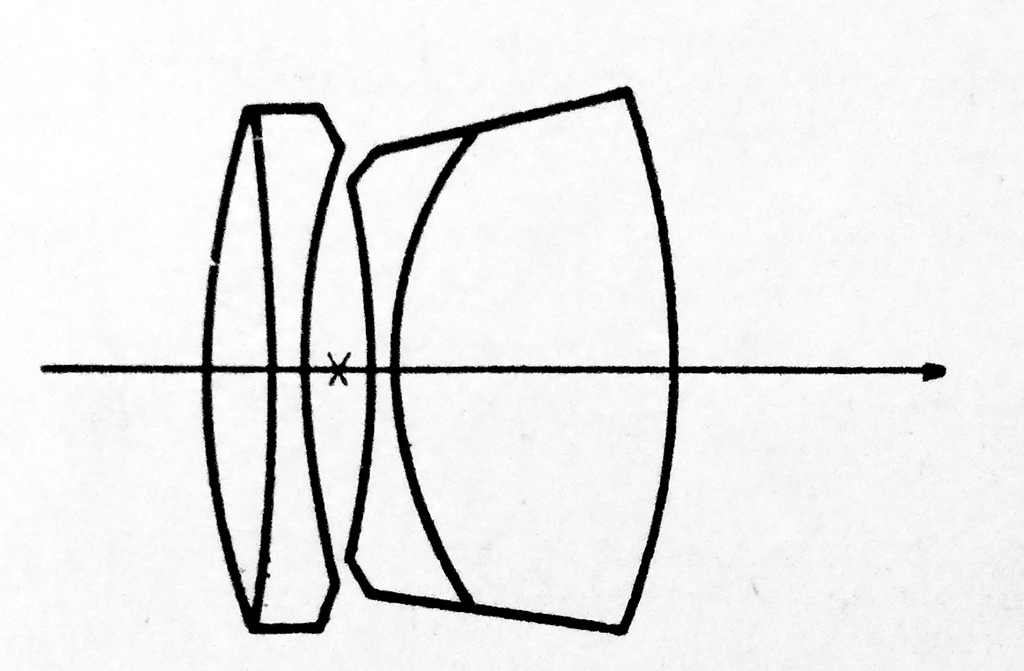
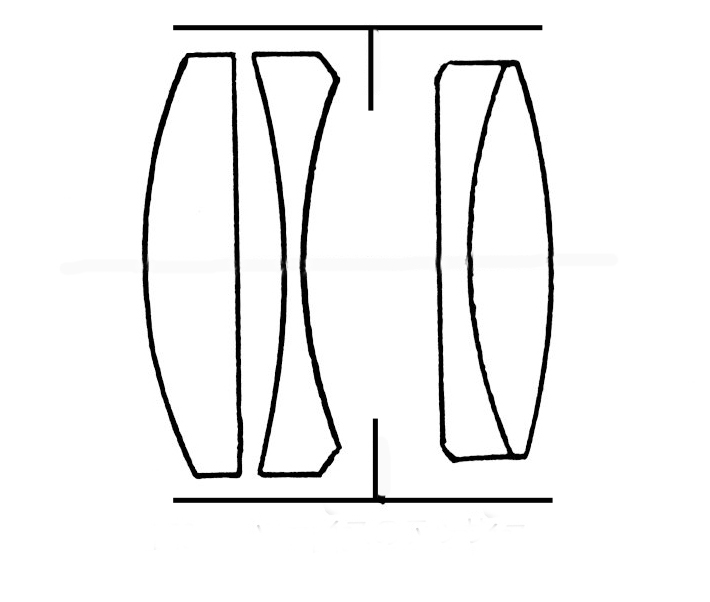
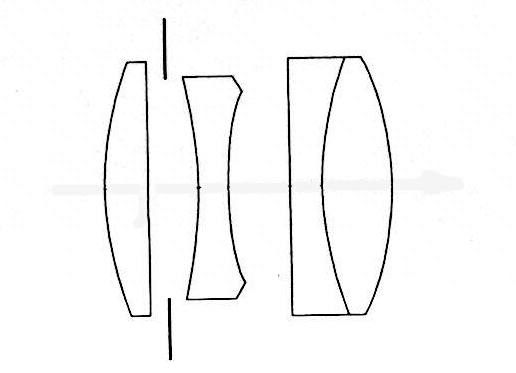
Used in Voigtlander’s first portrait camera. Just after starting sales of 1st Daguerreotype camera, the French Society for the Encouragement of National Industry announced the contest to develop the brighter lens than that of Chevalier doublet Daguerreotype lens. Joseph Petzval, a professor of mathematics of University of Vienna, originnaly from Hungary, was asked from Anrease von Ettingshausen, also a professor of University of Vienna, who realized keenly the necessity of brighter lens and started to plan the new lens design in 1840. By his ability of mathematics with hiring 8 specialist of calculation from Austrian artillery, he devised own ray tracking method with counting aberration of lenses, and succeeded to produce the prototype of Petzval's portrait objective lens. The result of the contest was Platinum prize for Chevalier lens and silver prize for Petzval lens. His portrait objective lens 149mm f3.7 which allocate diaphragm between double meniscus lenses was loaded on Voigtlander’s first portrait camera and no brighter lens have been appeared in the after half century. The composition of Petzval lens is to reduct image of front part to focus on screen by the latter part which correct spherical and coma arerration well. However because new type of glass was not inventioned yet, this lens could not satisfy to minimize "Petzval sum" to make the image flat. The image plane leans towards front which makes expression around peripheral area gradual disorder. If you make image plane flat, it makes the difference of sagittal and meridional plane much bigger and which results a very big astigmatism around peripheral area. フォクトレンダー円筒形金属カメラに使用 ダゲレオタイプカメラ発売直後のフランス政府の産業振興協会のコンテストが催され、シュバリエは早々にダゲレオタイプに装着していたダブレット単玉を大幅に改良した「可変焦点レンズPhotograph a Verres Combinesを提出していたが、ハンガリー生まれでウイーン大学の数学教授ペッツバールは同じウィーン大学教授のエッティングスハウゼン(Anrease von Ettingshausen)に依頼され、専門分野ではなかったものの、1840年にレンズ設計に着手し、オーストリア陸軍の砲兵隊から計算の得意な者8名を雇うなどして、、レンズ収差を考慮した「光線追跡法」を考えだして、ポートレート用色消しレンズを製造した。その結果ペッツバールはダブルメニスカスを絞り板をはさんで前後に配するという驚異的に明るいペッツバールポートレイトレンズ149ミリF3.7を設計し、遅れて応募した。長期間の審査の結果はシュバリエのレンズにプラチナが、ペッツバールのレンズには銀賞が贈られた。このレンズはフォクトレンダー円筒形金属カメラに搭載して発売されたが、その後半世紀ものあいだこのレンズを超える明るさのレンズは出現しなかった。このレンズは特許が弱かったため、欧米の多くの企業に設計を模倣され、それが一時代を画す拡大に繋がった。 ペッツバールのレンズは、前群の像を後群で縮小し結像する構成であり、球面収差・コマ収差は十分に補正させているものの、像面をフラットにするための彼自身が発見した「ペッツバール和」を最小にするためのガラス(例えば高屈折・低分散のバリウムクラウンなど)が開発されておらず、従来のクラウンガラス・フリントグラスのみであったため、周辺部の像面はレンズ側に大きく傾き、周辺画角では像が大きく乱れる。仮に像面を平坦にするためには、メディオナル・サジタル面の格差がプラス・マイナスに大幅に開く形となり、大きな非点収差が現れる。 「ペッツバール和」とは、像面を平坦にするための公式であり、Σ(1/(屈折率×焦点距離))で表される。 すなわちこれを最小にするためには、 ①焦点距離がマイナスの凹レンズとの組み合わせ、 ②正レンズには、屈折率が大きく曲面が緩やかなレンズ(新イエナガラス)などの採用、が必要である。。 |
|||||||||||||||||||||||||||||||||||||||||||||||||||||||||||
| Symmetric 向い合せ型 |
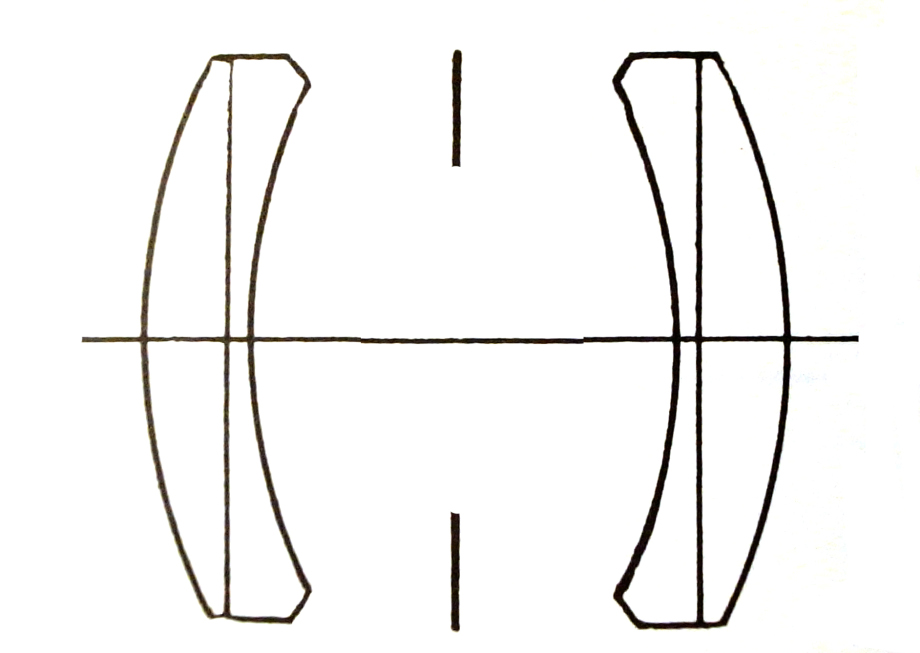
1841 | N.A. | Thomas Davidson トマス・ダビッドソン |
Doublet lens 対称型ダブレット |
|
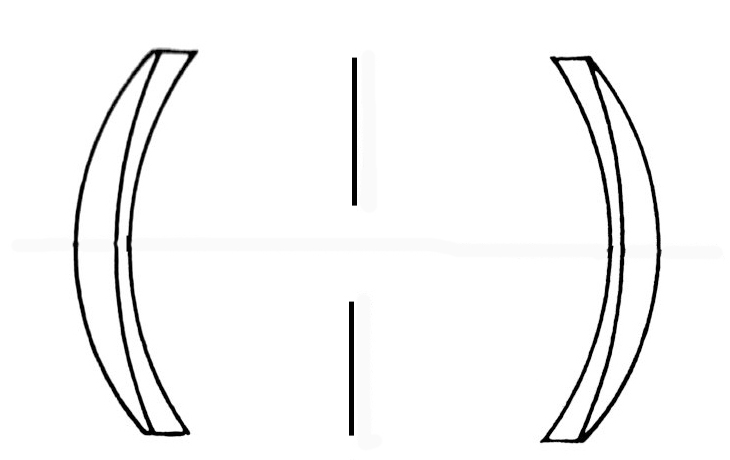
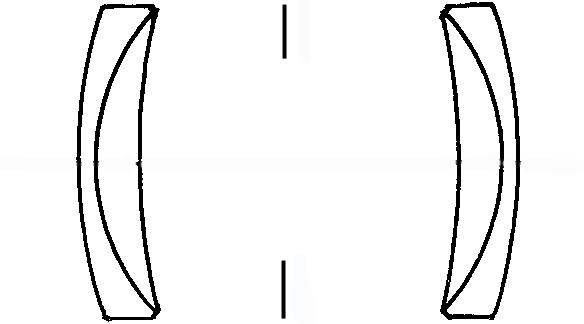
Provably, this lens might be the first production of symmetrical type.
Although its idea to diminish distortion by arranging lenses symmetrically
putting aperture diaphragm in the middle of both lenses, it was not succeeded
commercially. Because this lens shows a straight line as straight on picture,
it was called “Rectilinear” おそらく、最初の対称型レンズ。絞りを挟んで両側に対称にレンズを配置すれば、歪曲がなくなるという発想は優れていたが、商業的には成功しなかった。 直線が直線として描写されたことから、「Rectilinearレクチリニア」と呼ばれた。 |
||||||||||||||||||||||||||||||||||||||||||||||||||||||||||||
| Symmetric 向い合せ型 |
1841 | N.A. | Andrew Ross アンドルー・ロス |
Doublet lens 非対称型ダブレット |
|
This lens can be used for landscape photograph
separating the latter unit only. However, it was necessary sensitized paper to
bend because of strong field curvature. 後玉だけで、風景用にも使用できた。その場合は像面彎曲が大きいため、感光紙を彎曲させて撮影された。 |
||||||||||||||||||||||||||||||||||||||||||||||||||||||||||||
| Early type 初期型 |
1857 | N.A. | Thomas Grubb トマス・グラブ |
Aplanatic lens アプラナート補正型 |
|
|
||||||||||||||||||||||||||||||||||||||||||||||||||||||||||||
| Petzval type ペッツバール型 |
1858 | N.A. | Joseph Petzval ペッツバール |
orthoscope オルソスコープ |
|
|
||||||||||||||||||||||||||||||||||||||||||||||||||||||||||||
| Symmetric 向い合せ型 |
1860 | N.A. | C.C.Harrison & Schnitzer CCハリソン+Jシュニッツァー |
Globe lens 球形レンズ |
|
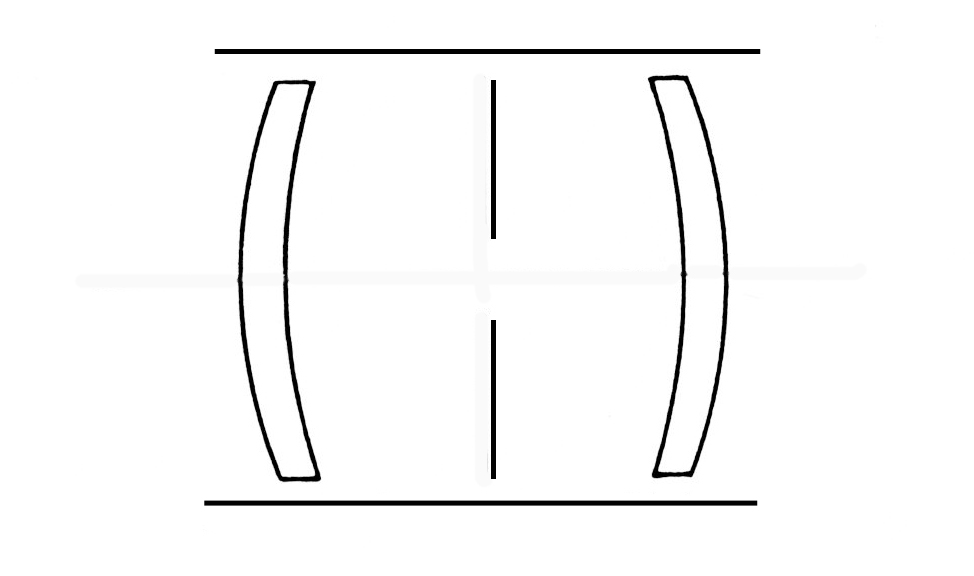
This lens has named as “Globe Lens” as the shape of its outskirts consist
of parts of sphere. It diminished distortion with symmetrical composition
and achieved big angle of view as 95 degrees.But its aperture was small
as f17.5 because of remaining big spherical aberration. 対称型レンズの外周が球形の一部となっていることから「globeレンズ」と呼ばれる。対称型にして歪曲をなくし、画角95度という大きな画面を確保した。 球面収差の補正にやや難があり、f17.5と暗かった。 |
||||||||||||||||||||||||||||||||||||||||||||||||||||||||||||
| Early type 初期型 |
1864 | Dallmeyer ダルメイヤー |
J.H.Dallmeyer J.H.ダルメイヤー |
Wide Angle Landscape Objective 風景用ワイドアングルレンズ |
|
|
||||||||||||||||||||||||||||||||||||||||||||||||||||||||||||
| Symmetric 向い合せ型 |
1865 | Steinheil シュタインハイル |
N.A. | Periscope ペリスコープ |
|
|
||||||||||||||||||||||||||||||||||||||||||||||||||||||||||||
| Petzval type ペッツバール型 |
1866 | Dallmeyer ダルメイヤー |
J.H.Dallmeyer J.H.ダルメイヤー |
Portrait lens 人物用レンズ |
|
|
||||||||||||||||||||||||||||||||||||||||||||||||||||||||||||
| Symmetric 向い合せ型 |
1866 | Steinheil シュタインハイル |
Carl August von Steinheil and Philipp Ludwig von Seidel シュタインハイル・ザイデル |
Aplanat アプラナート |
|
Improved lens from Thomas Grubb’s Aplanat corrected lens of 1857 to symmetrical
Doublet. |
||||||||||||||||||||||||||||||||||||||||||||||||||||||||||||
| Symmetric 向い合せ型 |
1866 | Dallmeyer ダルメイヤー |
J.H.Dallmeyer J.H.ダルメイヤー |
Rapid-Rectilinear ラピッド・レクチリニア |
|
‘Rapid Rectilinear’ is the same design lens of ‘Aplanat’ from Steinheil. Max aperture is f8, and the angle of view is 50 degrees. Both were invented at almost the same time. シュタインハイルのアプラナートと同じ設計の「ラピッド・レクチリニア」 明るさはf8、画角は50度あった。両レンズはほぼ同時に発明された。 |
||||||||||||||||||||||||||||||||||||||||||||||||||||||||||||
| Petaval type ペッツバール型 |
1881 | Steinheil シュタインハイル |
Adolph Steinheil | Antiplanetic Group lens アンチプラネット |
|
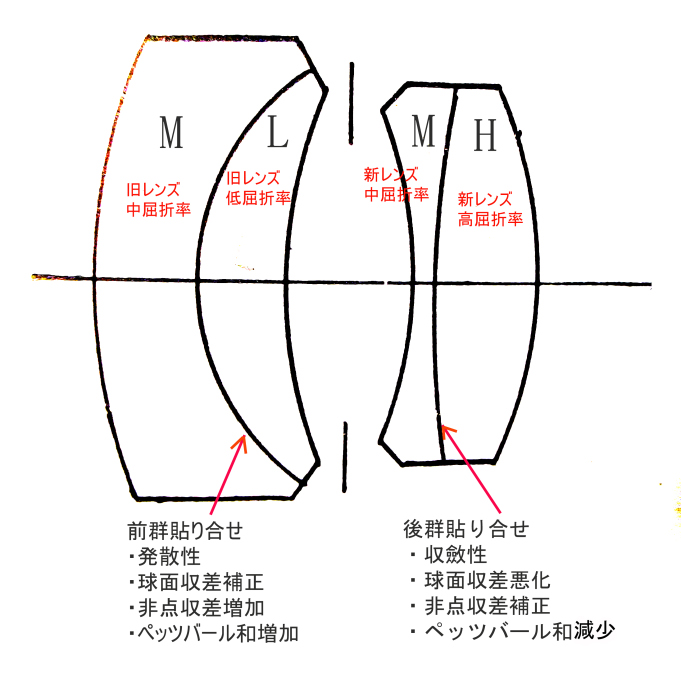
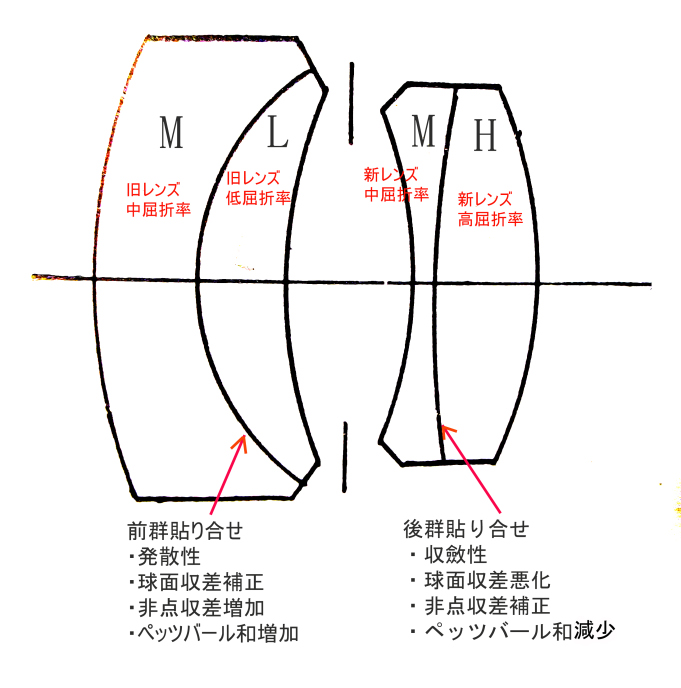
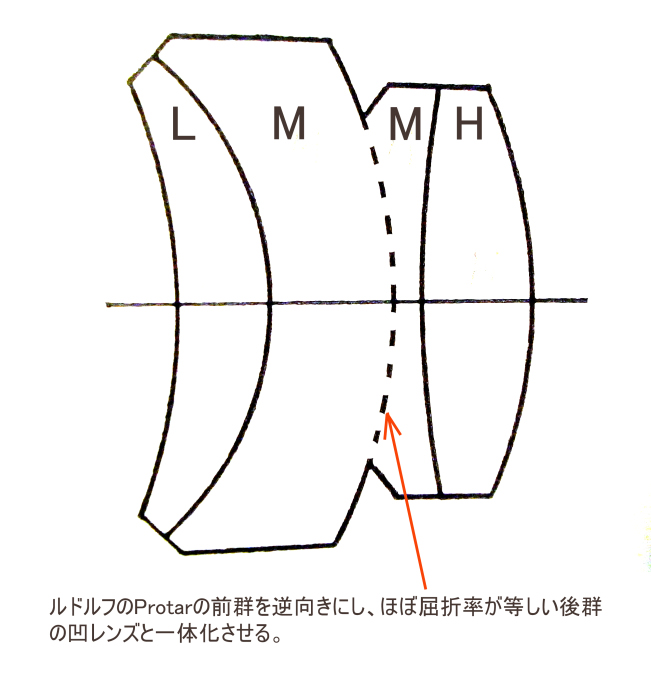
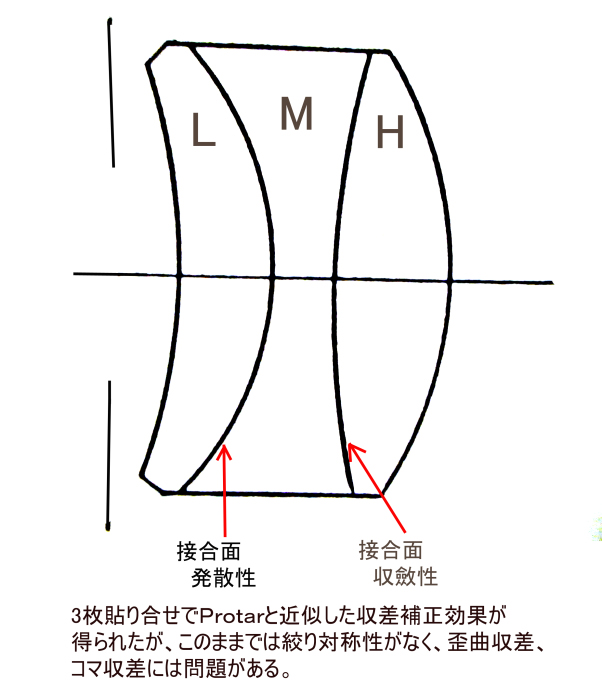
当初アプラナートをベースに対称性を少し崩した形で改良されたが、大きな改善に至らなかった。その後貼り合せのクラウンガラスとフリントガラスを入れ替えたところ、一定度の画角内では平坦で良好な結像を得られた。しかし、この組合せでは、前後群の貼り合せ面が前群が収斂性、後群が発散性の性格を持つことから、のちのルドルフのアナスティグマートレンズに繋がった。しかし旧ガラスのみの組み合わせでは限界があり、限度を超えると急速に収差が増大した。 | ||||||||||||||||||||||||||||||||||||||||||||||||||||||||||||
| Petaval type ペッツバール型 |
1881 | Steinheil シュタインハイル |
Adolph Steinheil | Antiplanetic lens 人物用アンチプラネット |
|
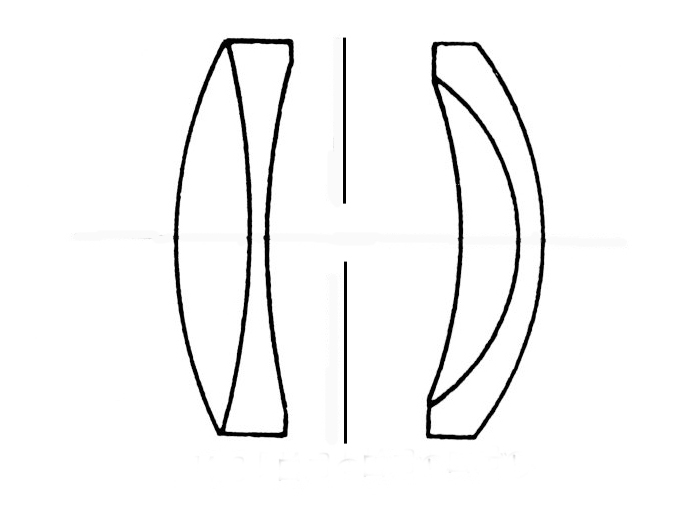
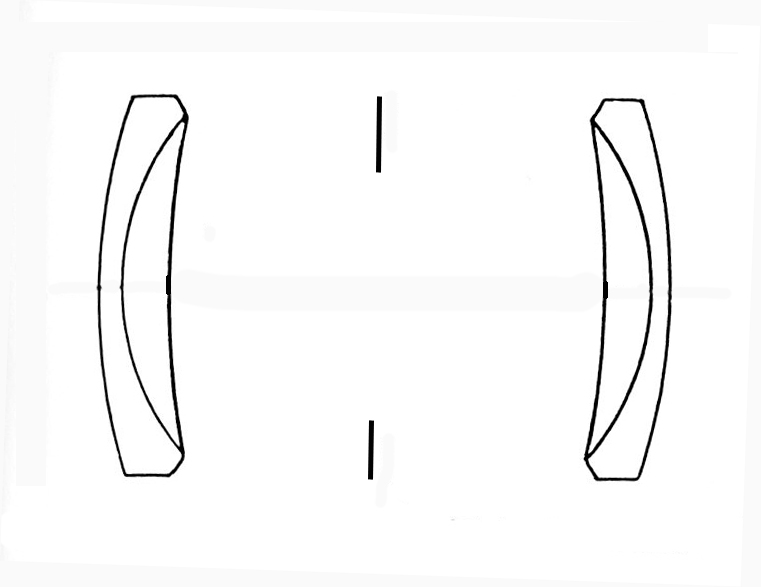
Anti Planetic lens seems to be made from the similar concept of Aplanat. Diaphragm is located between cemented lenses. On the other hand, the layout of each convex and concave lens is opposite from Aplanat to reduce(differ?) the aberrations. アンチプラネットは、1858年(1840年)にペッツバールが風景用に設計したオルソスコープの改良型とも言える。 一方で、アプラナートと発想は近く、絞りを中間に置き、貼り合せレンズを配置したが、後群は分離させ、凹、凸レンズの配置を入れ替えて、前群・後群の色収差、球面収差を正負逆として、収差を相殺させている。 比較的良好なレンズであった。 |
||||||||||||||||||||||||||||||||||||||||||||||||||||||||||||
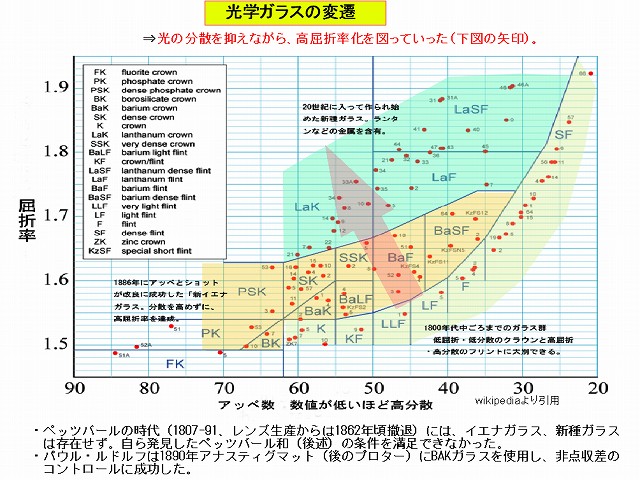
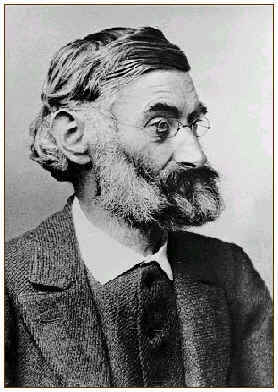
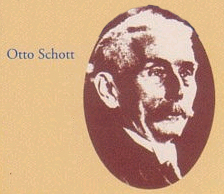
| New type of glass invention 新種ガラス(イエナガラス)の発明 |
1886 | Zeiss,Schott ツァイス、ショット |
Ernst Abbe,Otto schott エルンスト・アッペ、オットー・ショット |
|
|
|||||||||||||||||||||||||||||||||||||||||||||||||||||||||||||
| Symmetric 向い合せ型 |
1887 | Ross ロス |
H.L.H.Schroeder ダニエル・シュレーダー |
Concentric lens コンセントリック・レンズ |
|
新ガラス開発直後(1年後)に製造されたレンズで、新ガラスの貼り合せ新色消しレンズを絞りを挟んで対称に配置し、ダブレットレンズの厚さを均一にするとともに、最前面と最後面の曲面を同心円上(これによりコンセントリックと呼ばれる)とした。 対称型であるので、歪曲収差、コマ収差、倍率色収差は自動的に補正され、またペッツバール和もゼロに近いため、像面も平坦である。 一方、球面収差は無補正に近いため明るくできず、画角30度x2、f16-f20程度までは高性能であった。 |
||||||||||||||||||||||||||||||||||||||||||||||||||||||||||||
| Double Gauss ダブルガウス型 |
1888 | Alvan Clerk アルバン・クラーク |
Alvan G.Clark A.G.クラーク |
Double Gauss ガウスレンズを2枚背中合わせにした写真用レンズの新構成 |
|
|
||||||||||||||||||||||||||||||||||||||||||||||||||||||||||||
| Anastigmat アナスチグマット型 |
1890 | Zeiss ツァイス |
Paul Rudolph パウル・ルドルフ |
Anastigmat, later Protar アナスチグマット、後にプロター |
|
|
||||||||||||||||||||||||||||||||||||||||||||||||||||||||||||
| Development and variations of Anastigmat アナスチグマットの変化とバリエーション |
Development of Single Anastigmat, 単アナスチグマットへの変化 |
|
||||||||||||||||||||||||||||||||||||||||||||||||||||||||||||||||
| Anastigmat アナスチグマット型 |
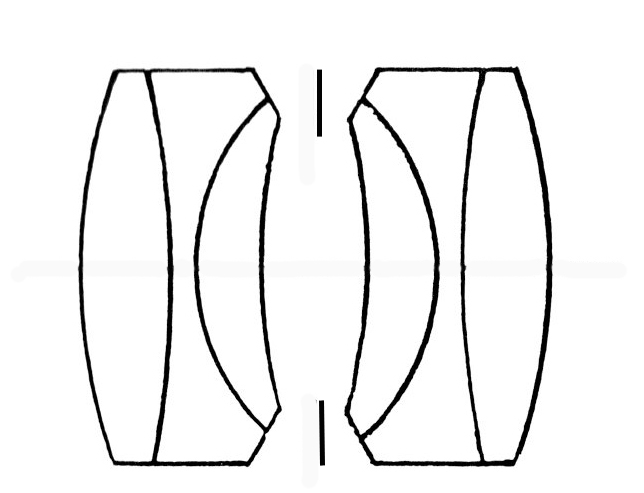
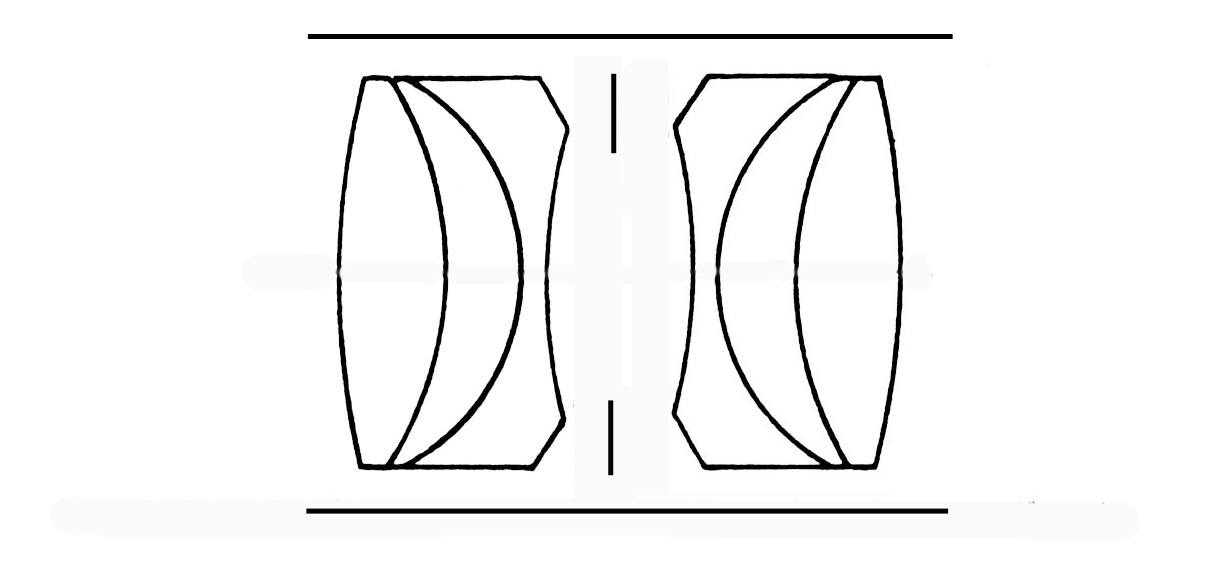
1892 | Goerz ゲルツ |
Emil von Hoegh, 1865-1915 エミール・フォン・フーフ |
Double Anastigmat ダブル・アナスチグマット |
|
|
||||||||||||||||||||||||||||||||||||||||||||||||||||||||||||
| coating コーティングの発見 |
1892 | Taylor,Taylor and Hobson テイラー・ホブソン・クック |
H.Dennis.Taylor(1862-1943 H・デニス・テイラー ) |
He discovered the effect to prevent reflection by the sunburn of glasses
in astronomical telescope. 天体望遠鏡レンズから、レンズ焼けによるレンズの反射防止効果を発見。 |
||||||||||||||||||||||||||||||||||||||||||||||||||||||||||||||
| Anastigmat アナスチグマット型 |
1893 | Steinheil シュタインハイル |
N.A. | Orthostigmat オルソスチグマット |
|
|
||||||||||||||||||||||||||||||||||||||||||||||||||||||||||||
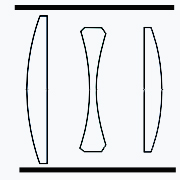
| Triplet トリプレット型 |
1893 | Taylor,Taylor and Hobson テイラー・テイラー・ホブソン |
H.Dennis.Taylor(1862-1943) H・デニス・テイラー |
Triplet トリプレット |
|
|
||||||||||||||||||||||||||||||||||||||||||||||||||||||||||||
| Anastigmat アナスチグマット型 |
1895 | Dallmeyer ダルメイヤー |
H. L. ALDIS アルディス |
Stigmatic lens スチグマチック |
|
|
||||||||||||||||||||||||||||||||||||||||||||||||||||||||||||
| Double Gauss ダブルガウス型 |
1895 | Zeiss ツァイス |
Paul Rudolph パウル・ルドルフ |
Planar プラナー |
|
Because the correction of chromatic aberrations is not sufficient in Clerk’s
lens, Dr. Rudolph invented ‘Burried Surface’ in which two lenses with the
same refraction rate but different dispersion are cemented making thick
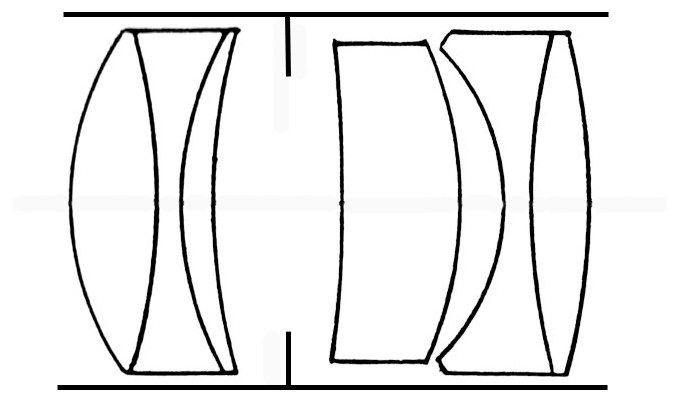
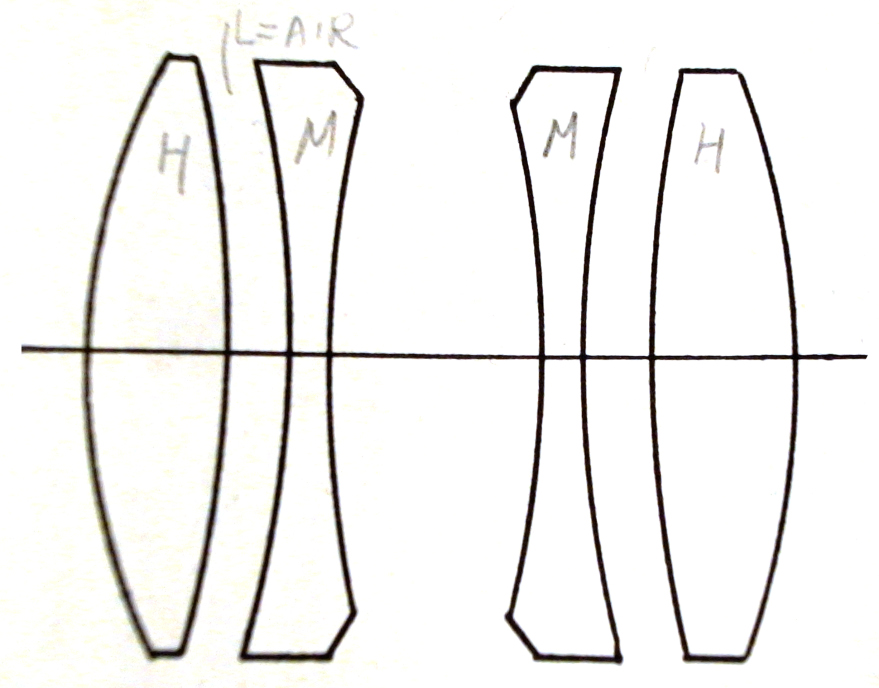
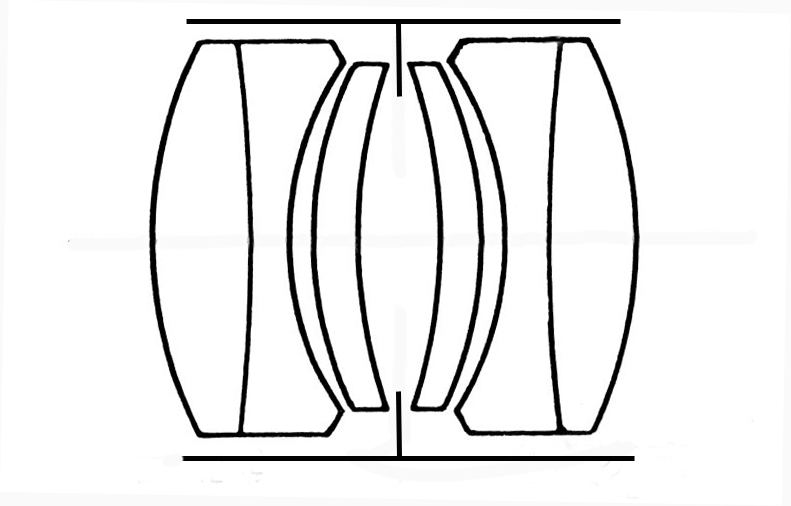
convex unit. This became the elemental composition towards ‘Double Gauss’ unit. After that, some improvements were done before getting the current gauss type. 1.To make air separation between convex and concave lens of the second group. 2.To add a further convex lens after the convex lens of the fourth group for making back focus longer to prevent hitting the mirror of SLR camera.
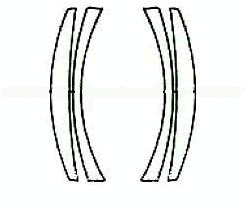
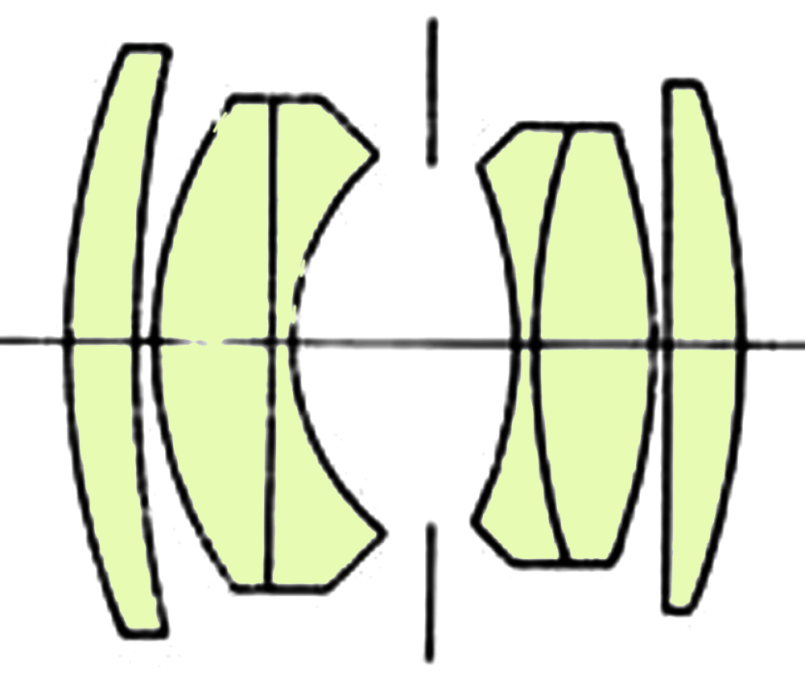
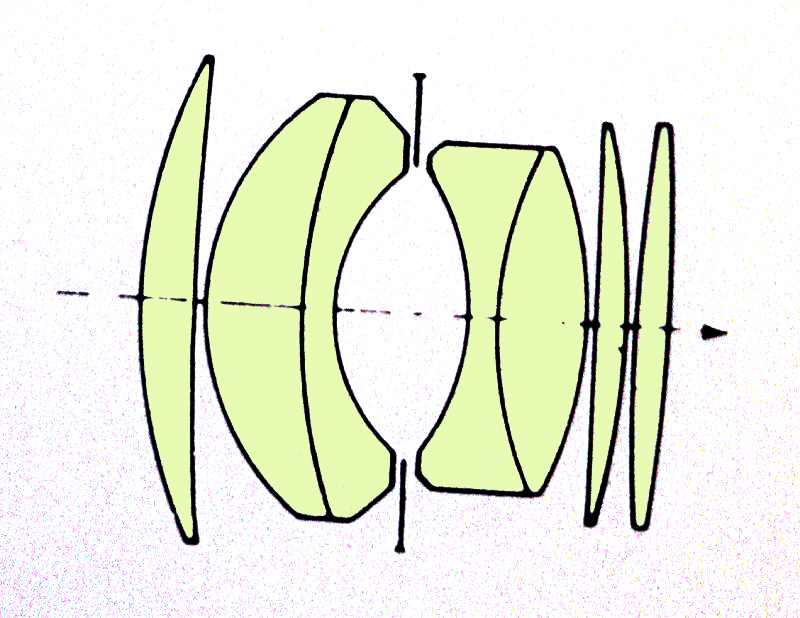
ダブルガウス型の基本的な考え方は、 (1) 対称型とすることで、①歪曲収差、②倍率色収差(全色)、③コマ収差、これら3つをほぼ自動的に補正させる。ただし、コマ収差に関しては、 サジタル面のコマについての十分な補正ができなかった。 (2) 前群・後群各々の凸レンズと凹レンズの組み合わせ(貼り合せ含む)によって、①球面収差、②軸上の色収差、を補正し、 (3) 対称レンズ群間の距離と、レンズ材質・形状によって、像面の平坦性と非点収差の補正を行っていく。 というようなものであるが、勿論(2)(3)などは一方を調整すれば、他方にも影響してしまう可能性が大きい。 ルドルフ博士は、クラークのレンズを改良し、中央の向かいあった2つのレンズを「貼り合せ」とし、そこに「Buried Surface」という考え方を導入して、 プラナーを設計した。 ① 「Buried Surface」 これは、貼り合せレンズをまず一つの色(d線)に関して全く屈折率の等しいもしくは近似のガラスを使用し、この色に関してはほぼ1枚のレンズと 等しくしてしまう。他の色に関しては、多少の屈折率の差があるが、貼り合せ面の曲率を変化させつつ、他の色についても最良の結像をするように 補正していくというような考え方である。 ② プラナーは、その貼り合せ面以外の部分(屈折率・分散・曲率・厚さ・そして間隔)の設計と調整によって、まず単色光に関わる上記(1)と(3)の 各収差を補正、最小化する。 ③ そして、他の色に関しては、接合面の変化で残存する収差を打ち消していく。 ④ それでも、画角20度を超える部分で徐々にサジタルコマ収差が残存した。 こうしてその後のダブルガウス型の「基本形」が完成した。 その後、 ①2群の凸レンズと凹レンズの間に空気間隔を設け、サジタルコマ収差を軽減する工夫(空気レンズ)、 ②その空気間隔を発散性のある凸型にすることで、主点を後方に移動させて一眼レフ用のバックフォーカスを確保する工夫、 ③4群の凸レンズの後にさらに凸レンズを追加して個々の凸レンズの曲率を和らげ、収差を抑える工夫 などが施され(変形ガウスタイプ)、今日の形式になっている。 |
||||||||||||||||||||||||||||||||||||||||||||||||||||||||||||
| Anastigmat アナスチグマット型 |
1897 | Goerz ゲルツ |
Emil von Hoegh, 1865-1915 E.フォン.フーフ |
satz Anastigmat ザッツ・アナスチグマット |
|
The period of production was short because of high production cost by the
complex lens design with two symmetric composition of 5 cemented glasses, 5枚貼り付けガラスを対称に配置しているため、製造コストが高額になりすぎ、製造期間は短かった。 |
||||||||||||||||||||||||||||||||||||||||||||||||||||||||||||
| Anastigmat アナスチグマット型 |
1898 | Goerz ゲルツ |
Emil von Hoegh, 1865-1915 E.フォン.フーフ |
Celor ツェロール |
|
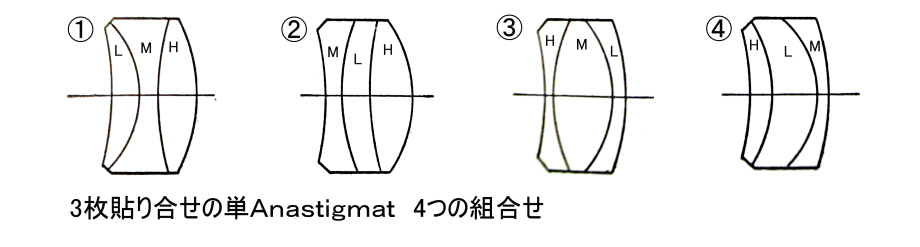
単アナスティグマット分類の②の中間の低屈折率ガラスを屈折率1.0の空気に変え、それを対称型にした。 前後の各群に(ガラスの屈折率x2、ガラスの形・曲面x2、間の空気間隔)という5つずつの自由度を持たせ、対称型による歪曲収差、コマ収差・倍率色収差の自動補正と相まって良好な画像が得られた。 |
||||||||||||||||||||||||||||||||||||||||||||||||||||||||||||
| Anastigmat アナスチグマット型 |
1899 | Zeiss ツァイス |
Paul Rudolph パウル・ルドルフ |
Unar ウナー |
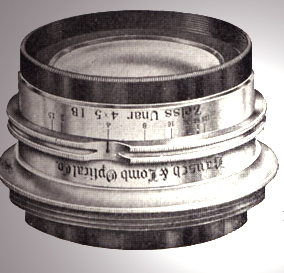
|
|
||||||||||||||||||||||||||||||||||||||||||||||||||||||||||||
| Symmetric 向い合せ型 |
1900 | Goerz ゲルツ |
Emil von Hoegh, 1865-1915 E.フォン.フーフ |
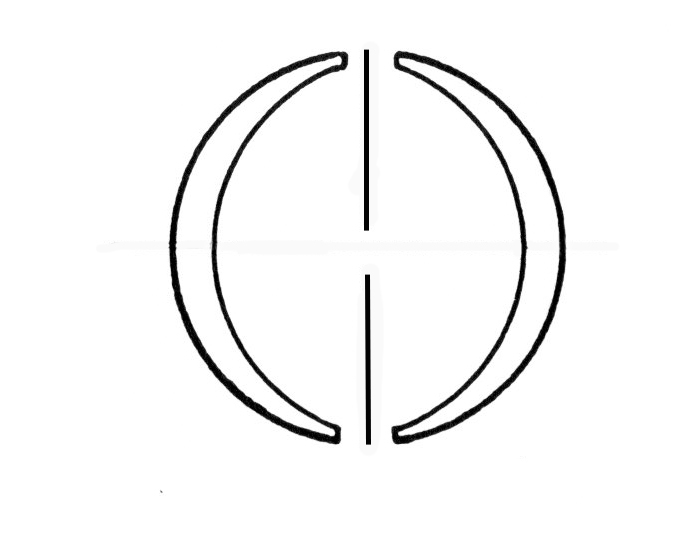
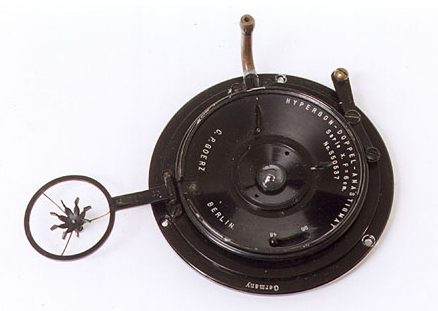
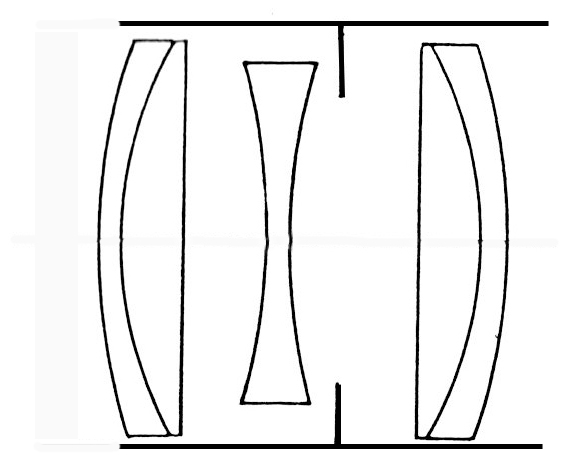
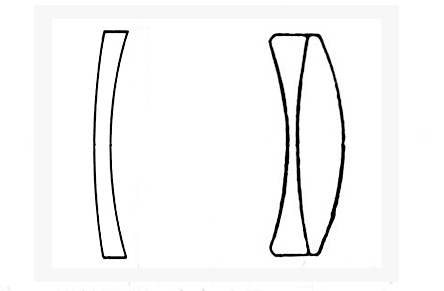
Hypergon ハイパーゴン |
|
|
||||||||||||||||||||||||||||||||||||||||||||||||||||||||||||
| Triplet トリプレット型 |
1900 | Voigtlander フォクトレンダー |
Hans Harting ハンス・ハーティング |
Heliar ヘリアー |
|
3 groups 5 elements. Thr evolutional type by making convex lenses of Triplet
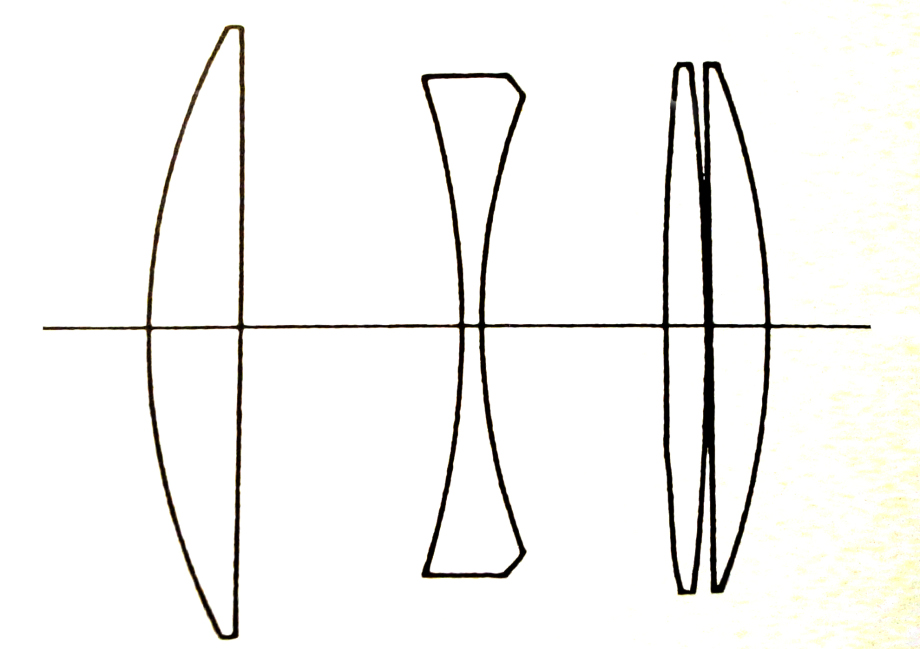
into doublet. ヘリアはトリプレットの両側の凸レンズを、新ガラス貼り合せの新色消しレンズに変更したものである。貼り合せの順が、第一レンズ=凹凸、第三レンズ=凸凹となっているのが本来のヘリアで、その逆のものはダイナー(Dynar)であるが、間もなく両方ともよりポピュラーなヘリアと呼ばれるようになった。また両方とも凹凸で構成されるレンズは、Oxynと呼ばれる。 ヘリアはトリプレットに比べて貼り合せ面が2つ増え、より収差補正要素が増加しているが、新色消しレンズはペッツバール和の減少=非点収差の補正には効果がある一方で、球面収差は単レンズより悪化する場合もあるため、ヘリアの中には顕著な2線ボケを示すものも多い。 |
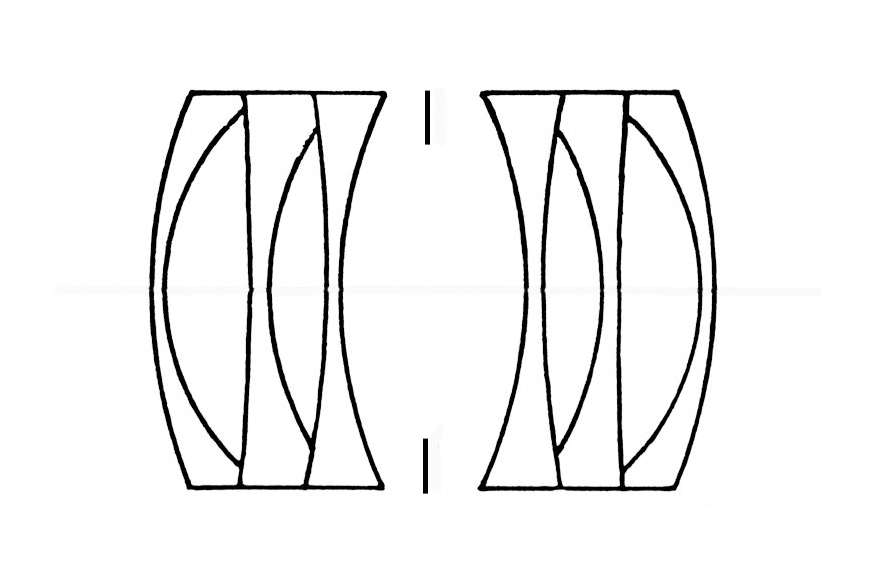
||||||||||||||||||||||||||||||||||||||||||||||||||||||||||||
| Symmetric 向い合せ型 |
1900 | Wollensak ウォーレンサック |
N.A. | Verito ベリート |
|
Periscope type. Chromatic aberration and spherical aberration is remained.
The moderate effect of chromatic aberration contributes to keep up details
in soft expressions. ペリスコープ型、色収差と球面収差を残存させているが、とくに色収差の適度な効果がソフトな中にも芯のある描写に貢献している。 |
||||||||||||||||||||||||||||||||||||||||||||||||||||||||||||
| Anastigmat アナスチグマット型 ⇒ Tessar テッサー型 |
1902 | Zeiss ツァイス |
Paul Rudolph パウル・ルドルフ |
Tessar テッサー |
|
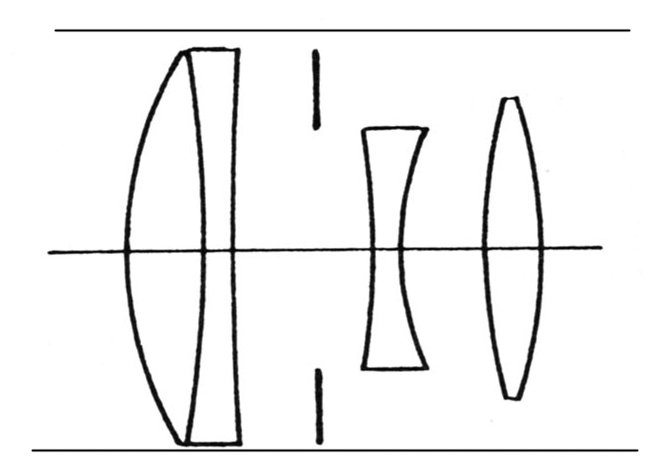
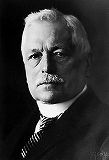
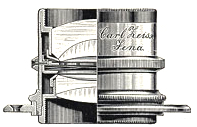
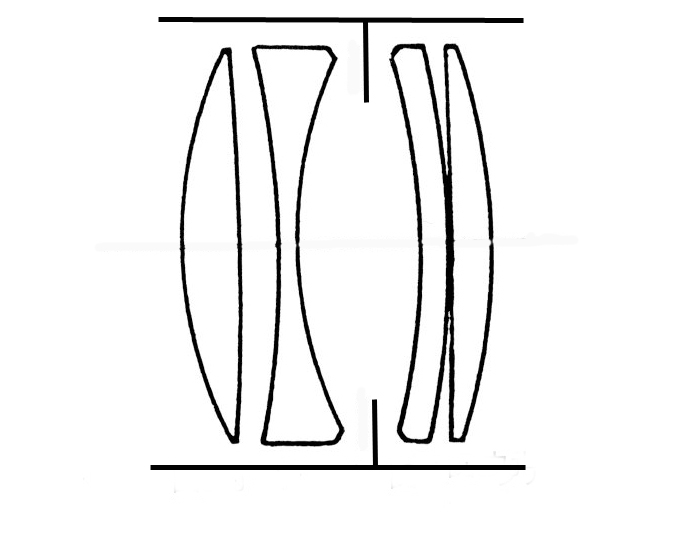
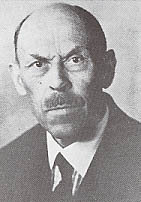
パウル・ルドルフ(Paul Rudolph 1858--1935左)はアッベの助手として、エルンスト・ヴァンデルスレブ(1879--1963 Ernst Wandersleb右)はルドルフの助手としてツァイスに入社し、1902年に共同でTessarを設計した。テッサーの名前はギリシャ語の4を表すテッセラからつけられた。 前群がウナー、後群がプロターの組み合わせであるとツァイス社は公表している。 事実そうであろうが、収差補正の観点で見ると、トリプレットの3群目の凸レンズを新ガラスの貼り合せ新色消しレンズに変更し、接合面に収斂作用を持たせることによって、ペッツバール和を減少させて、トリプレットの最大の課題であった中間画角の非点収差を改善したものと考えられる。 非常にバランスのとれた優秀なレンズで、その意味ではその時代としては完成されたレンズとも言える一方、サジタル・メリジオナル像面がf3.5近辺から大口径では大きく開く傾向があり、f2.8以上の明るいレンズは製造されなかった。 |
||||||||||||||||||||||||||||||||||||||||||||||||||||||||||||
| Anastigmat アナスチグマット型 |
1918 | Hugo Meyer フーゴ・マイヤー |
Paul Rudolph パウル・ルドルフ |
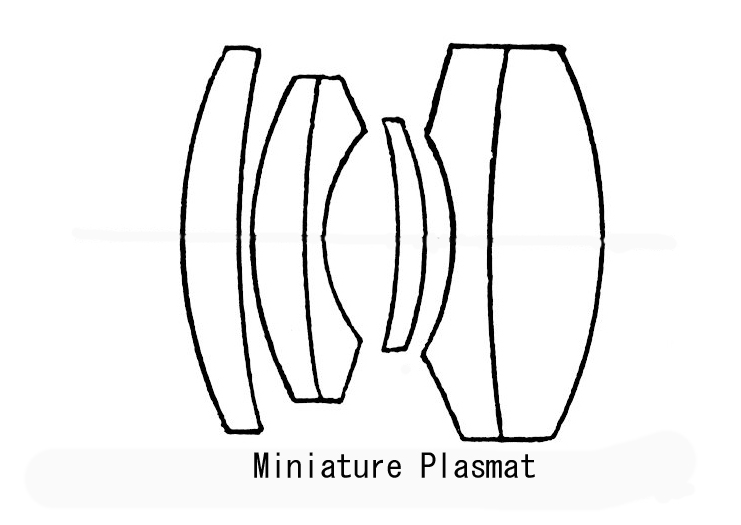
Plasmat プラズマート |
|
Dagor type lens with air separation. 単アナスティグマット分類の①形式の低屈折レンズと中屈折レンズの間に空気間隔を挟み、それを対称型にした設計。 空気間隔入りのダゴールとも言える。(いや、オリジナルの設計がルドルフ博士だから、失礼でした) 空気間隔によって収差補正の自由度を増し、画面を悪化させることなく、より口径の大きいレンズが可能となった。 メルテ(Merte)設計のオルソメター(Orthometar)も同様の設計である。。 |
||||||||||||||||||||||||||||||||||||||||||||||||||||||||||||
| Non symmetric Double Gauss 非対称ダブルガウス型 |
1920 | Taylor,Taylor and Hobson テーラー・ホブソン |
H.W. Lee H.W.リー |
Opic オピック |
|
The first Planar by Dr.Rudolph adhered onto symmetric design, however this
lens was designed as non-symmetric. Opic f2 with 46 degrees view angle
is a very fast lens, however this lens appealed very superior character
with well corrected chromatic aberration, spherical aberration, less curvature
of field, and long back-focus. ルドルフの最初のプラナーが対称型にこだわったのに対し、非対称で設計された。画角46度のオピック F2は大口径であるが、色収差のほか、球面収差、像面湾曲がよく補正され、バックフォーカスも長くとれるなどの優れた特徴を持っていた。 しかし当時はレンズコーティングの技術が進んでおらず、このレンズ枚数が多く、表面反射の影響を受けやすいガウスタイプはコントラストが低くなるなど欠点が目立ち、3年後に発表されたエルノスターとの競争に敗れ、あまり普及しなかった。 |
||||||||||||||||||||||||||||||||||||||||||||||||||||||||||||
| Symmetric 向い合せ型 |
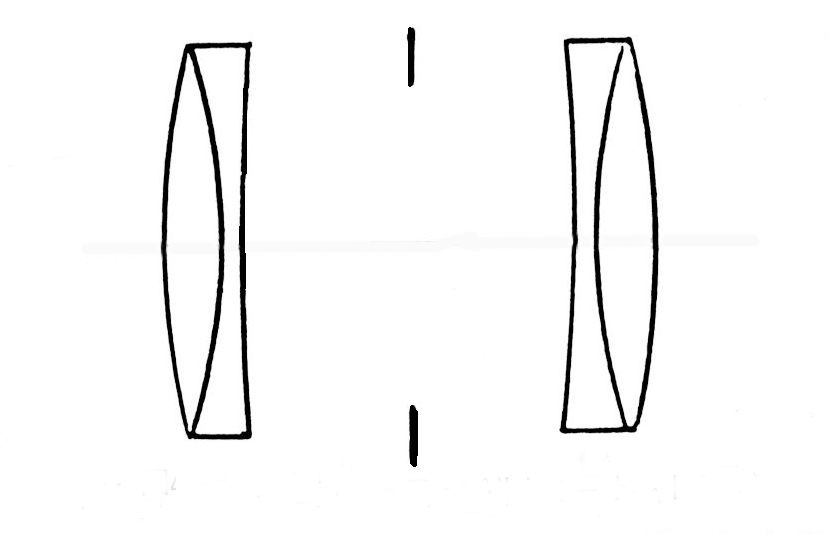
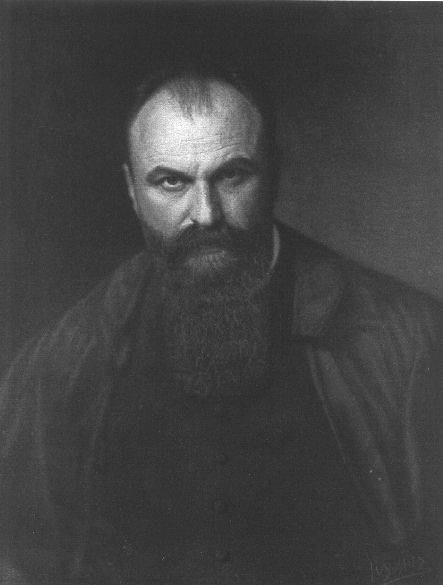
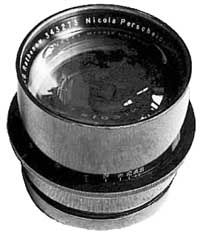
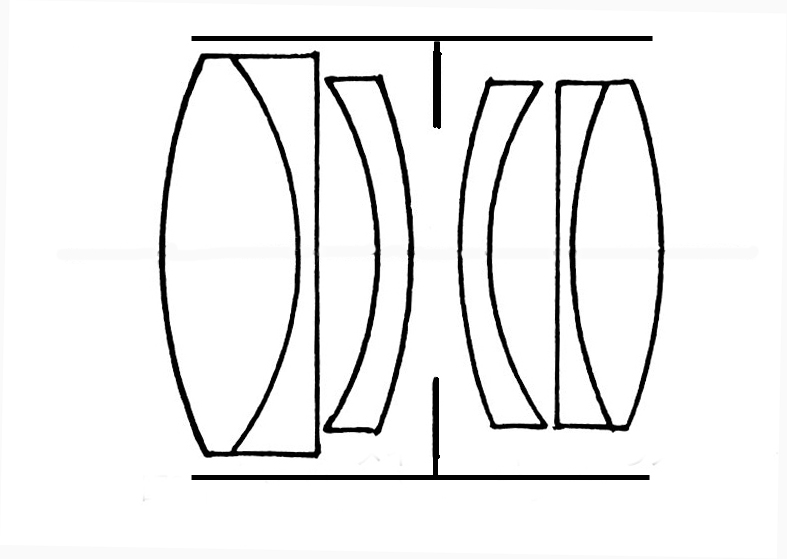
1921 | Emil Busch エミーユ・ブッシュ |
Nicola Perscheid ニコラ・ペルシャイド |
Nicola Perscheid ニコラ・ペルシャイド |
|
|
||||||||||||||||||||||||||||||||||||||||||||||||||||||||||||
| Anastigmat アナスチグマット型 |
1922 | Hugo Meyer フーゴ・マイヤー |
Paul Rudolph パウル・ルドルフ |
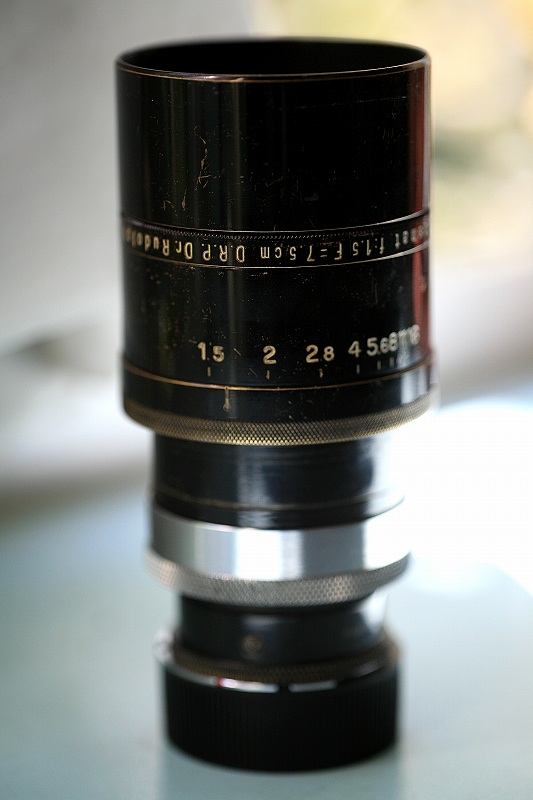
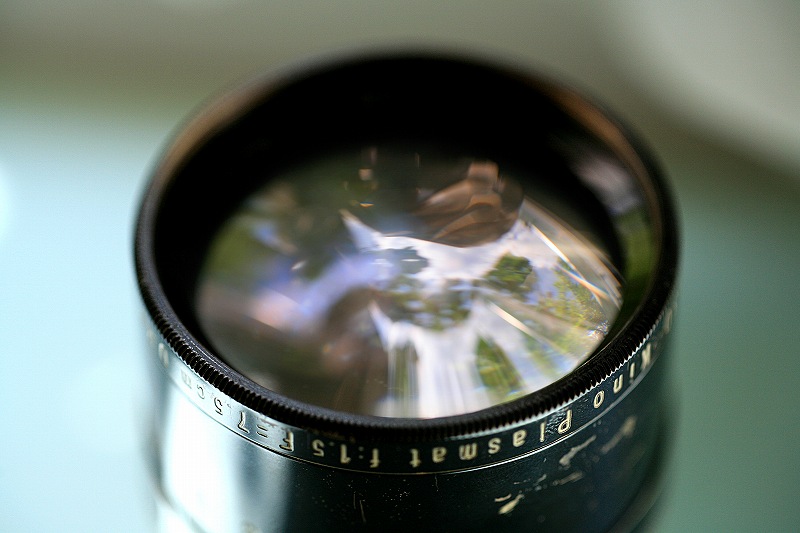
Kino Plasmat キノ・プラズマート |
|
|
||||||||||||||||||||||||||||||||||||||||||||||||||||||||||||
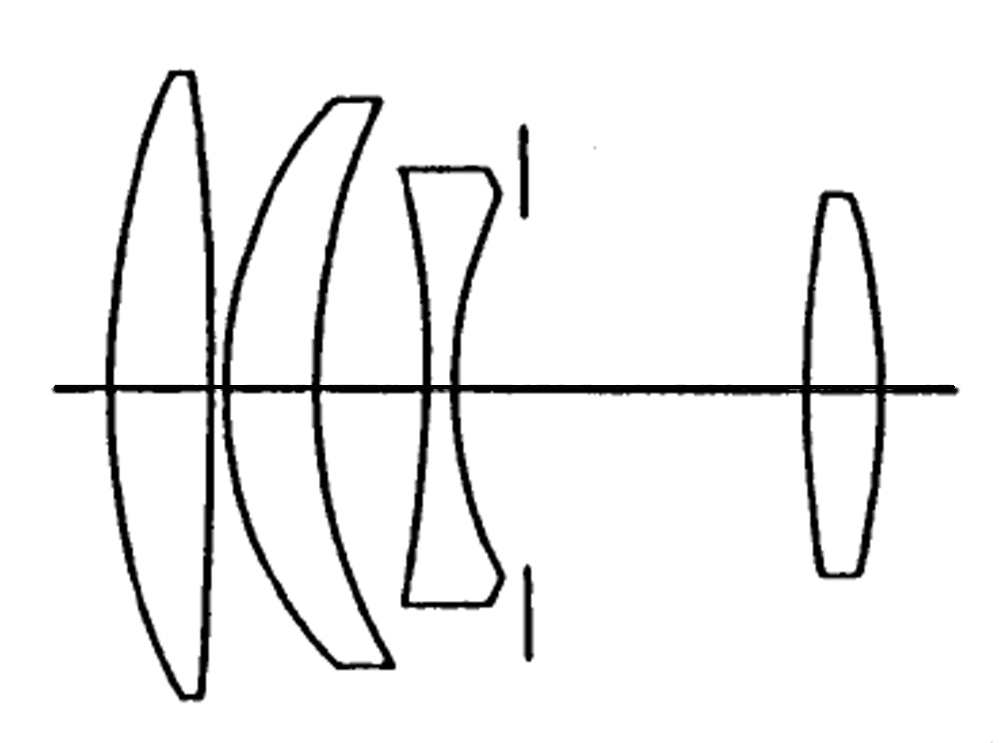
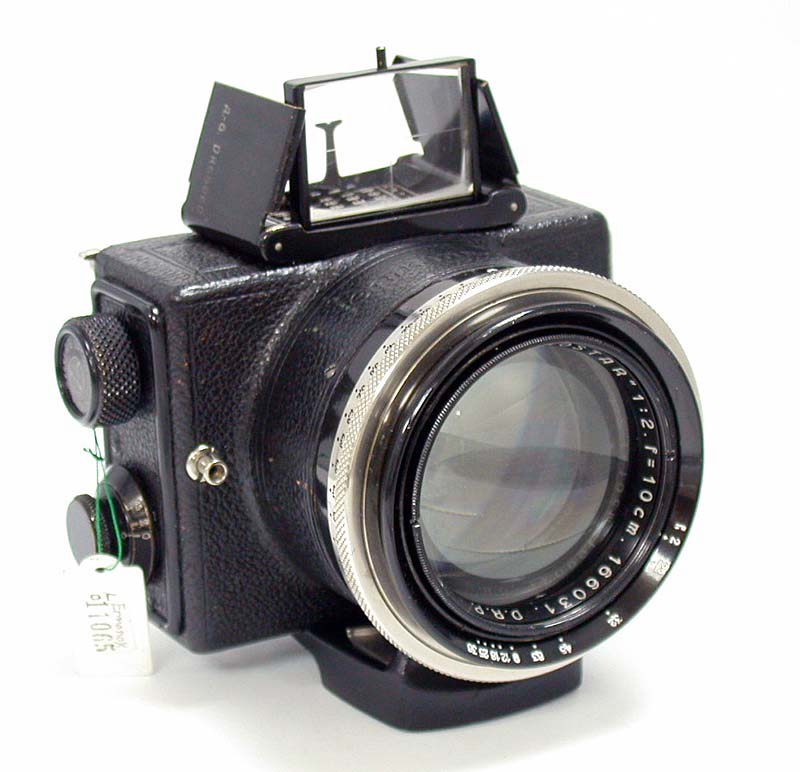
| Triplet トリプレット |
1923 | Ernemann エルネマン |
Ludwig・Bertele ルードヴィッヒ・ベルテレ |
Ernostar エルノスター |
|
|
||||||||||||||||||||||||||||||||||||||||||||||||||||||||||||
| Tessar テッサー型 |
1923 | Leitz ライカ |
Max Berek マックス・ベレク |
Elmar エルマー50mmf3.5 |
|
ほぼテッサーと同じ構成。当初はゲルツ社からガラスの供給をうけていたが、1926年にツァイスに吸収されたため、イエナのショット社に変更し、新エルマーとなる。 | ||||||||||||||||||||||||||||||||||||||||||||||||||||||||||||
| Triplet トリプレット |
1924 |
Taylor,Taylor and Hobson テーラー・ホブソン |
H.W.Lee H.W.リー |
Speedic スピーディック |
|
スピーディックは、トリプレットの第三群を分割して、2枚の凸レンズにしたものである。 一枚当たりの曲率を抑えることによって、球面収差をさらに改良し、f2.5程度の、より大口径のレンズを試みた。 球面収差については一定の改善が見られているが、非点収差はトリプレットと同様にかなり残存している。 |
||||||||||||||||||||||||||||||||||||||||||||||||||||||||||||
| Non symmetric Double Gauss 非対称ダブルガウス型 |
1925 | Schneider シュナイダー |
A.トロニエ(Albrecht Wilhelm Tronnier1902-1982) | Xenon クセノンf2 |
|
|
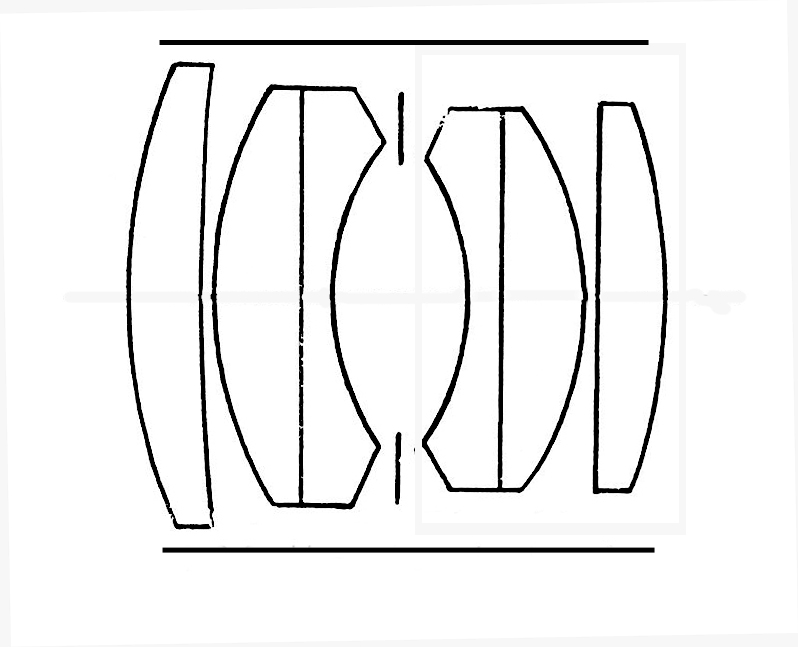
独シュナイダー社のトロニエ(Albrecht Wilhelm Tronnier1902-1982)はベルテレ(Ludwig・Bertele)よりも2歳年下であるが、ベルテレがエルネマン社でエルノスターを開発後、会社が1926年にZeiss財団に吸収されることによって、大Zeissの設計者としてゾナーの成功という大きな成果を獲得していったのに対し、独立を保ったシュナイダー社の設計者として、ダブルガウスとゾナーという巨大な壁と戦うこととなった。 写真愛好家のすそ野の拡大を反映し、レンズ設計は、より早いシャッタースピードで撮影可能となる高性能な大口径レンズの開発競争へと進んでいったが、トロニエがこの課題に着手する以前に、小型カメラ用レンズの基本形として現代に続く、 ①非対称のトリプレットとその応用型としてのエルノスター(その後のゾナー)、 ②対称型として大口径への可能性を秘めたプラナー、オピック(Opic)をはじめとするダブルガウス型 という「基準形」はすでに世に出てしまっていた。 トロニエを含むその後の設計者は、近代コンピューターの本格的な展開まで、新しい基準形を作りだすということよりも、これら基準形の特許をにらみつつ、いかにより優れた光学特性・収差特性を与えられるかという、「局地戦」を余儀なくされる。 その局地戦の中で生まれてレンズ群が、「XENON」であり、「BIOTAR」であり、「SPEED PANCHRO」である。 「XENON」は4群6枚のF2レンズも、5群7枚のF1.5レンズも、リー(H.W. Lee)の設計したレンズに近似している。 Leitzに供給されたF1.5のXENONは米英などの国ではリーの特許が先に存在したため、リーが所属するTaylor,Taylor & Hobson社のPatentであることを追記する必要まであった。 描写性能はダブルガウス型の特徴をそのまま保有し、基本的にはオピックの非対称ダブルガウス型の特徴を活かし高性能であるが、外周部のサジタルコマは残存している。f1.5では最後群の凸レンズを1枚追加し、屈折率を維持したまま各レンズの曲率を抑えて収差を改善している。ただし、まだ新種ガラスの開発前であったことから、球面収差の補正にもまだ課題があった。 |
|||||||||||||||||||||||||||||||||||||||||||||||||||||||||||
| Non symmetric Double Gauss 非対称ダブルガウス型 |
1925 | Hugo Meyer フーゴ・マイヤー |
Paul Rudolph パウル・ルドルフ |
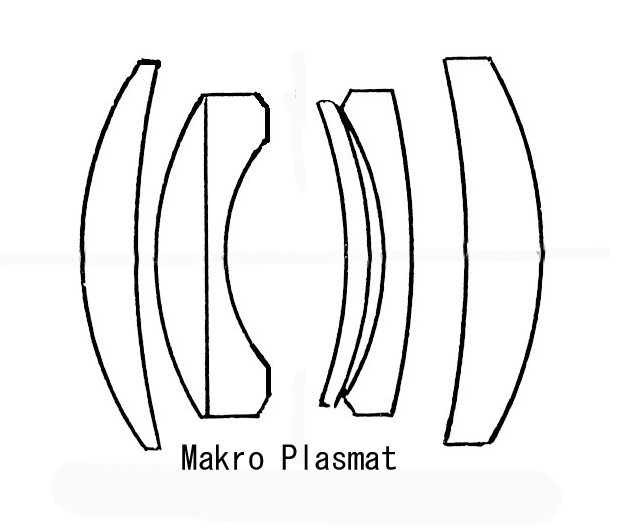
Makro Plasmat マクロ・プラズマート |
|
|||||||||||||||||||||||||||||||||||||||||||||||||||||||||||||
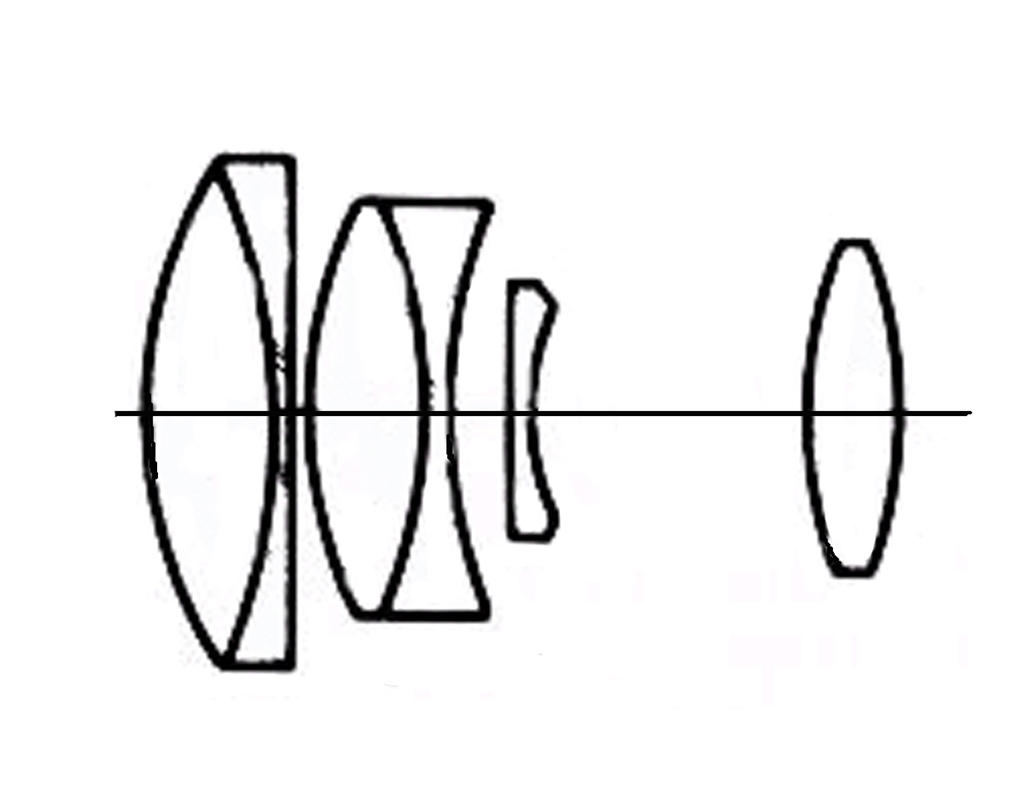
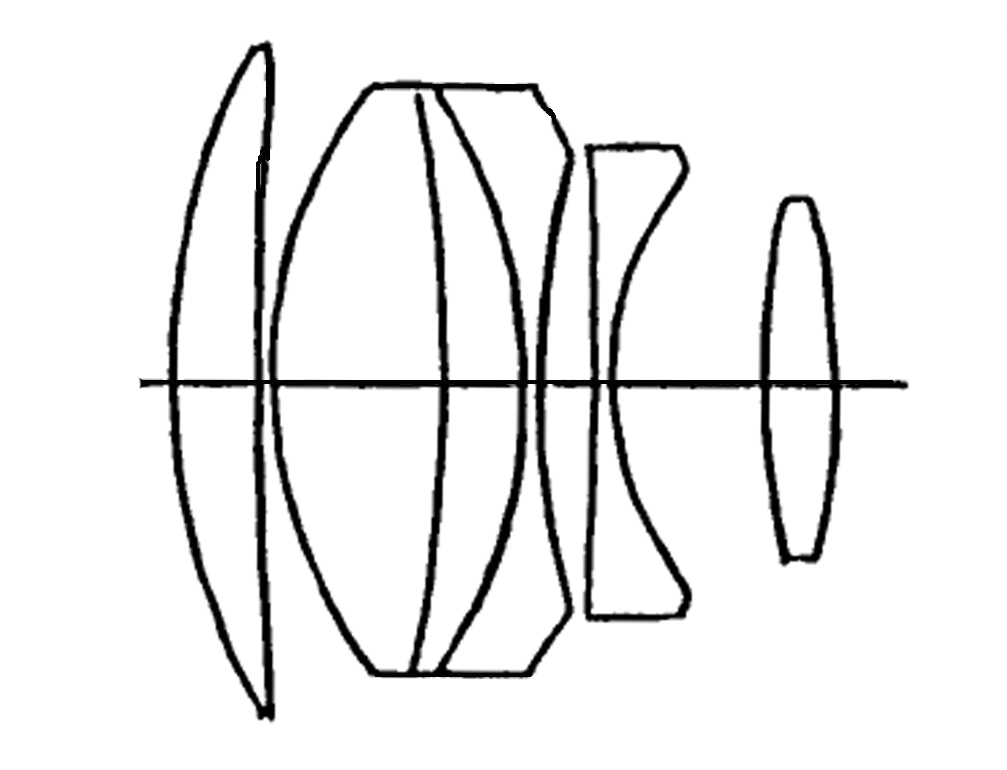
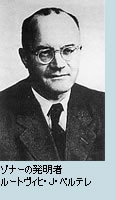
| Triplet トリプレット ⇒ Sonnar ゾナー |
1931 | Zeiss ツァイス |
Ludwig・Bertele ルードヴィッヒ・ベルテレ |
Sonnar ゾナー |
|
|
||||||||||||||||||||||||||||||||||||||||||||||||||||||||||||
参考文献 :『写真レンズの歴史』ルドルフ・キングズレーク著 雄倉保行訳 朝日ソノラマ :「写真工業」誌 :「レンズ設計のすべて」辻定彦著 :その他ネット情報 |
||||||||||||||||||||||||||||||||||||||||||||||||||||||||||||||||||